November Orchid Events
Posted October 31st, 2026 by Marc CohenCategories: Events
November has dozens of orchid events, from Tasmania to Salt Lake City to Lisbon to Kathmandu. Take advantage of any of these opportunities near you.
November has dozens of orchid events, from Tasmania to Salt Lake City to Lisbon to Kathmandu. Take advantage of any of these opportunities near you.
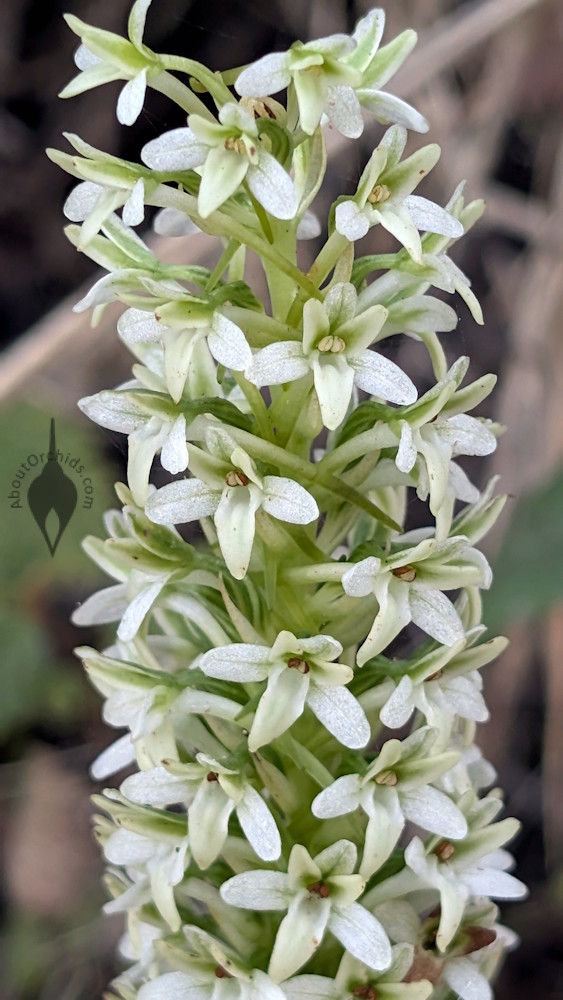
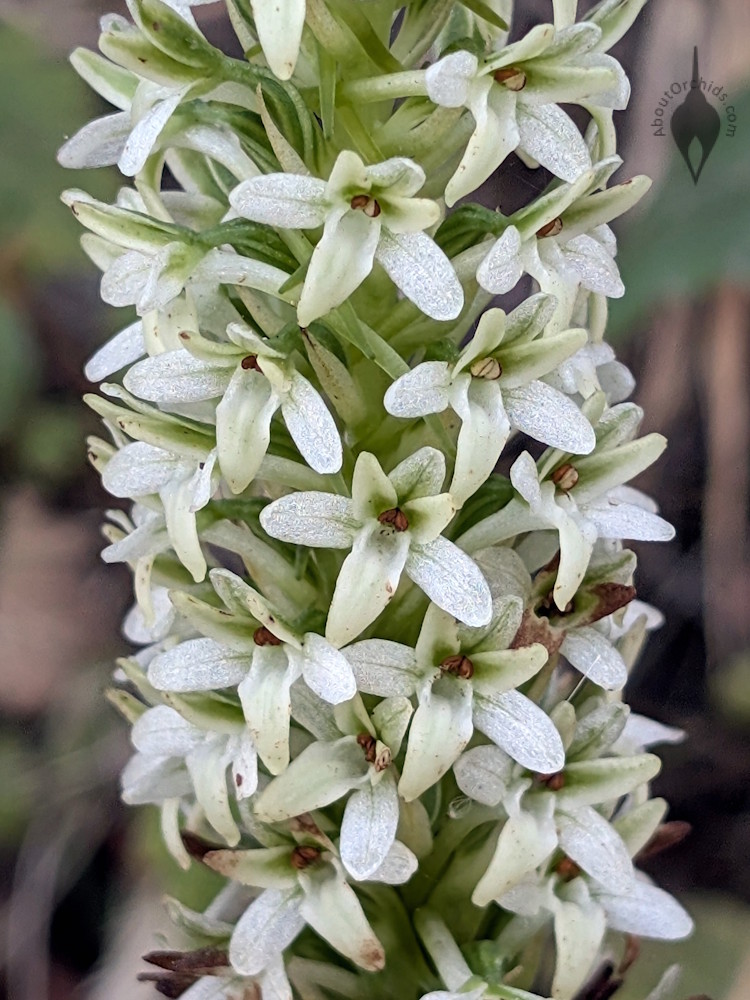
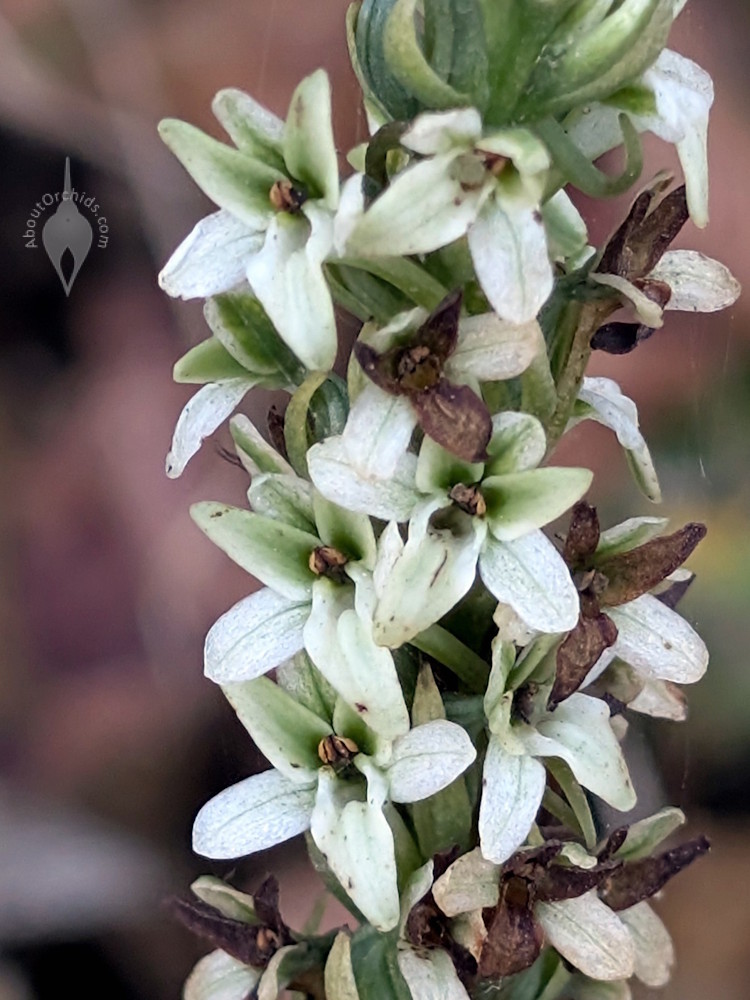
It’s a rare pleasure to see orchids in the wild. Wood Rein Orchids are native to the west coasts of the USA and Canada. They don’t have very impressive flowers, yet it was terrific to find a healthy population in a Pacifica, California park last week. We spotted 10 flower spikes spread over a small area near a hiking trail. A couple years ago, we found this same species on a different trail in the park.
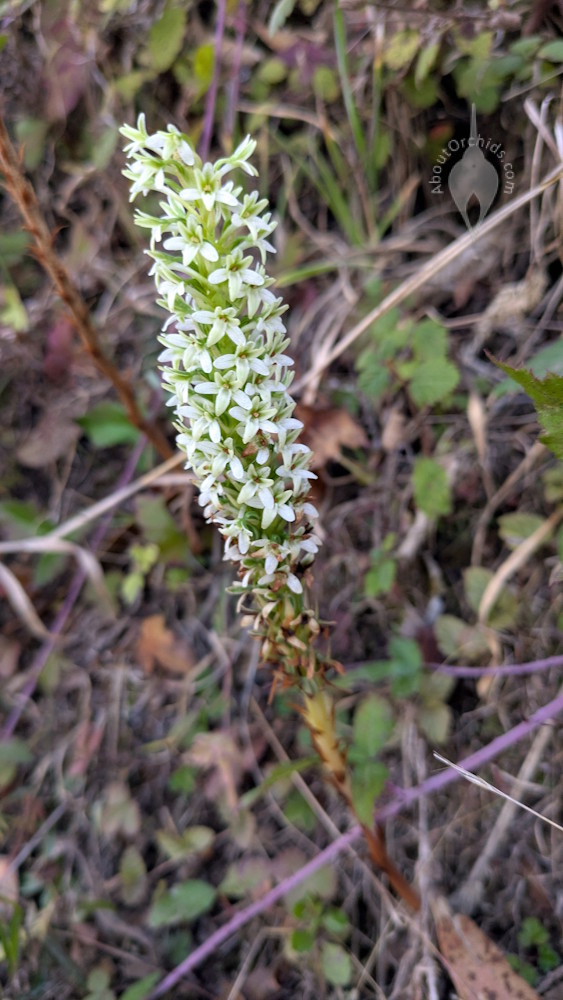
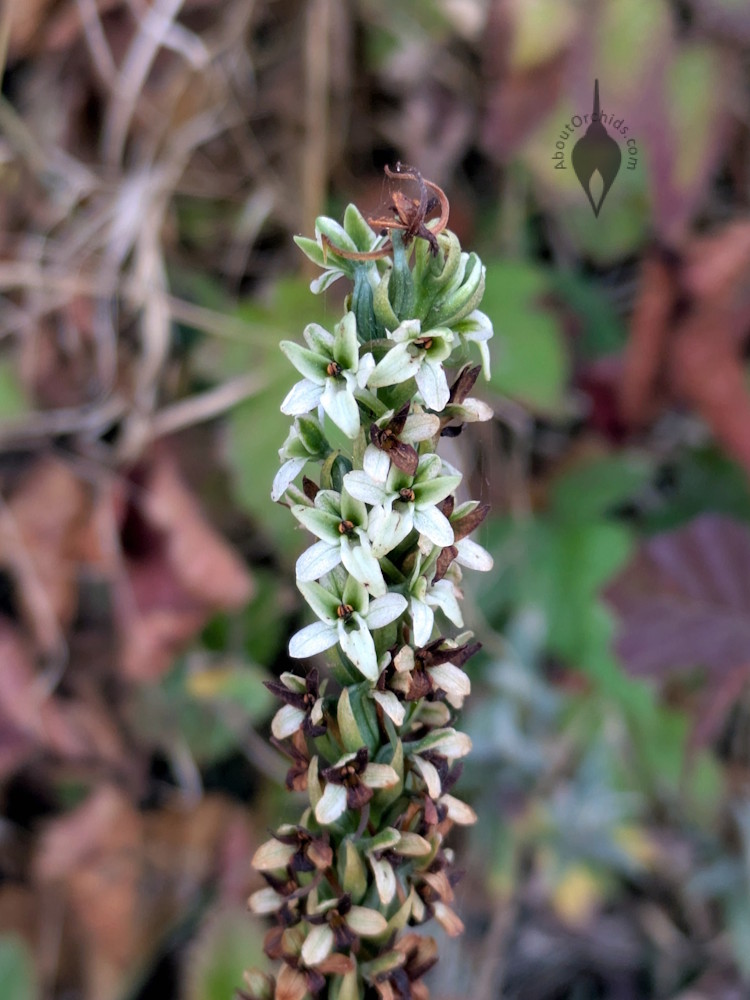
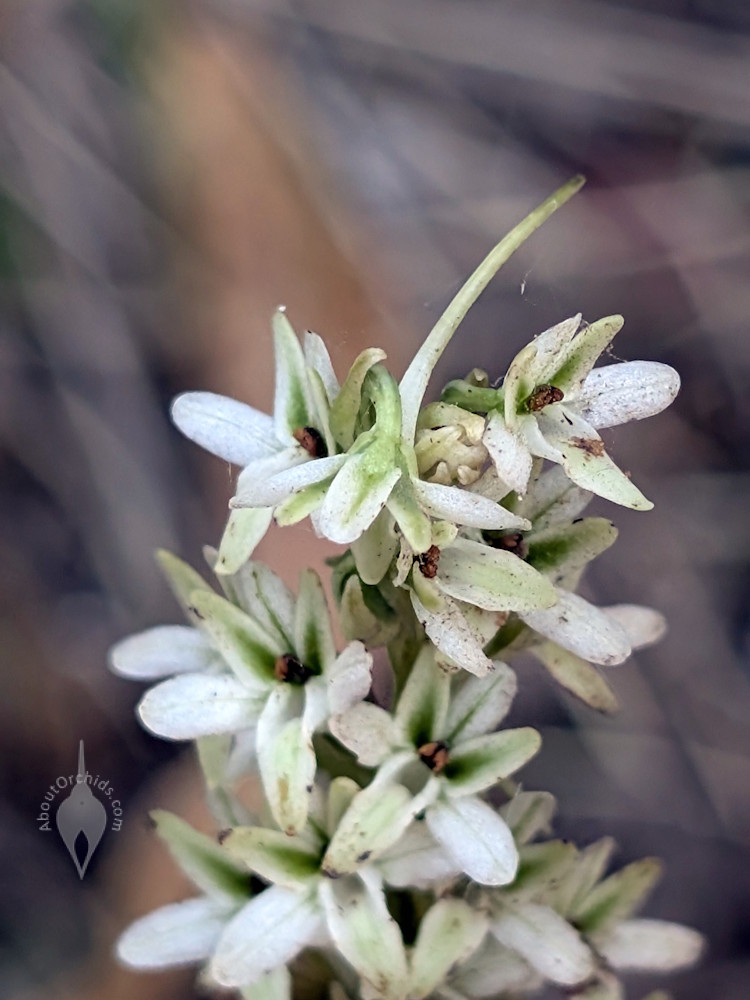
What they lack in showiness, Wood Rein Orchids make up with toughness. These plants face challenging growing conditions on windy coastal hillsides next to the chilly Northern Pacific. Their dense clusters of white and green blooms have a light musky scent. This species has a multitude of common names, including Coast Piperia, Elegant Piperia, and Many Flowered Piperia. Its scientific name is Platanthera elegans, but it used to be called Piperia elegans.
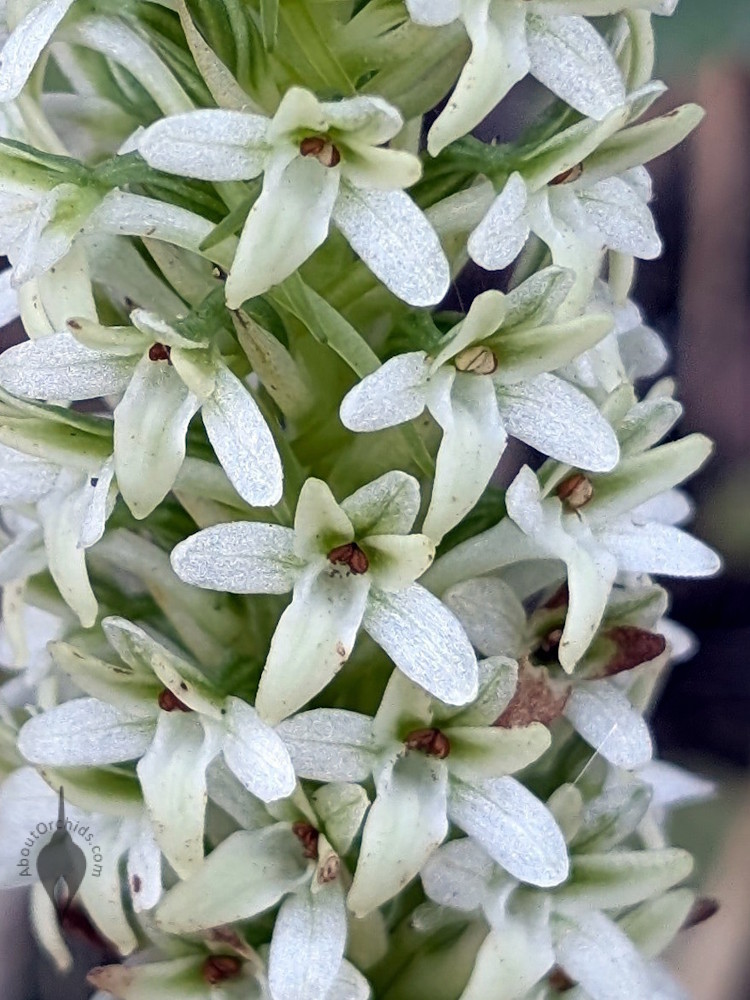
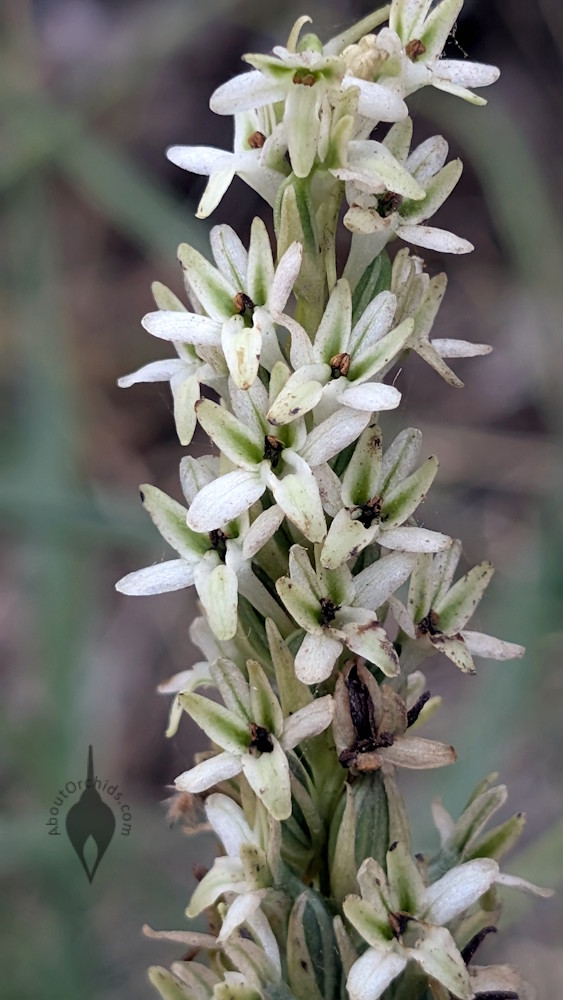
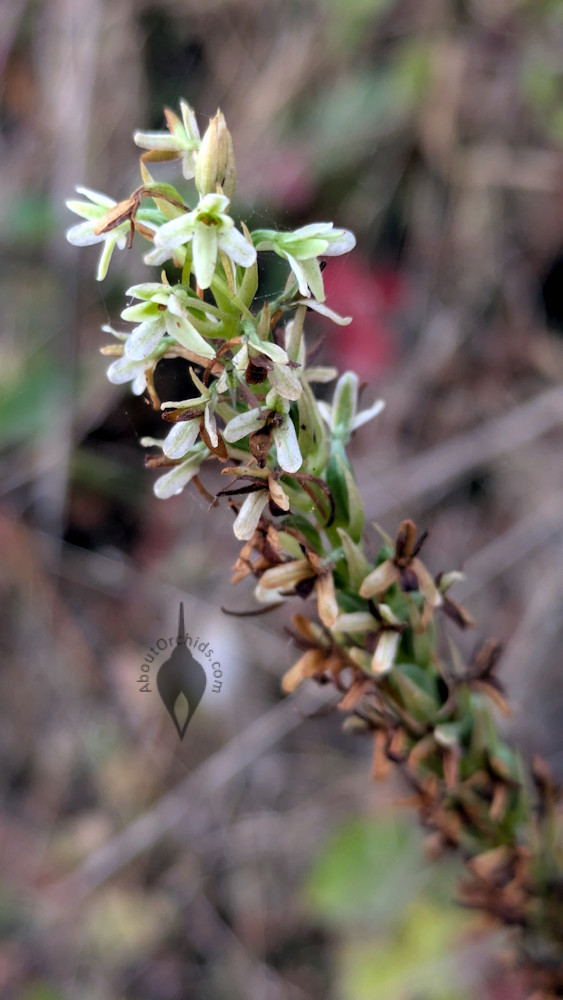
If you’re fortunate enough to find them, please never take orchids from the wild. Take only photos and memories.
The small nation of Costa Rica is home to amazing orchids, including hundreds of native species. The national flower is a Cattleya relative called Guarianthe skinneri, known as guaria morada in Spanish. Unfortunately, that botanical richness has drawn collectors who take wild plants. While the days of European explorers who strip entire forests are past, the problems are not. Modern smugglers pilfer orchids like Cattleyas and Lycastes, and other desirable plants like Cycads. The plants are now protected by laws and international treaties, but these are difficult to enforce, especially when rare specimens sell for high prices on illegal markets. Smuggled plants are often seized at airports and border crossings. Efforts are being made to propagate endangered orchids, and reintroduce them to prevent extinctions. The threats haven’t gone away, but efforts to battle them have modernized.
Orchids are global. This month is packed with events on six continents. From Helsinki to Lima, and all over Australia, orchid lovers are gathering. There’s even a show on the tiny island of Reunion in the Indian Ocean, which played a big part in the history of vanilla. Take advantage of any events near you.
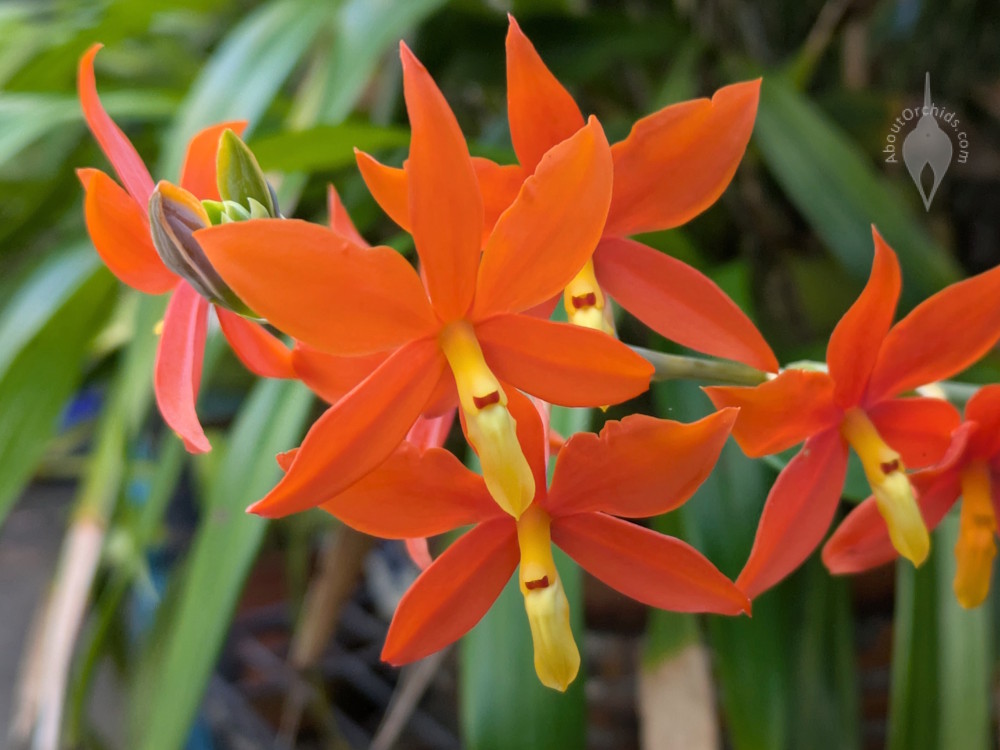
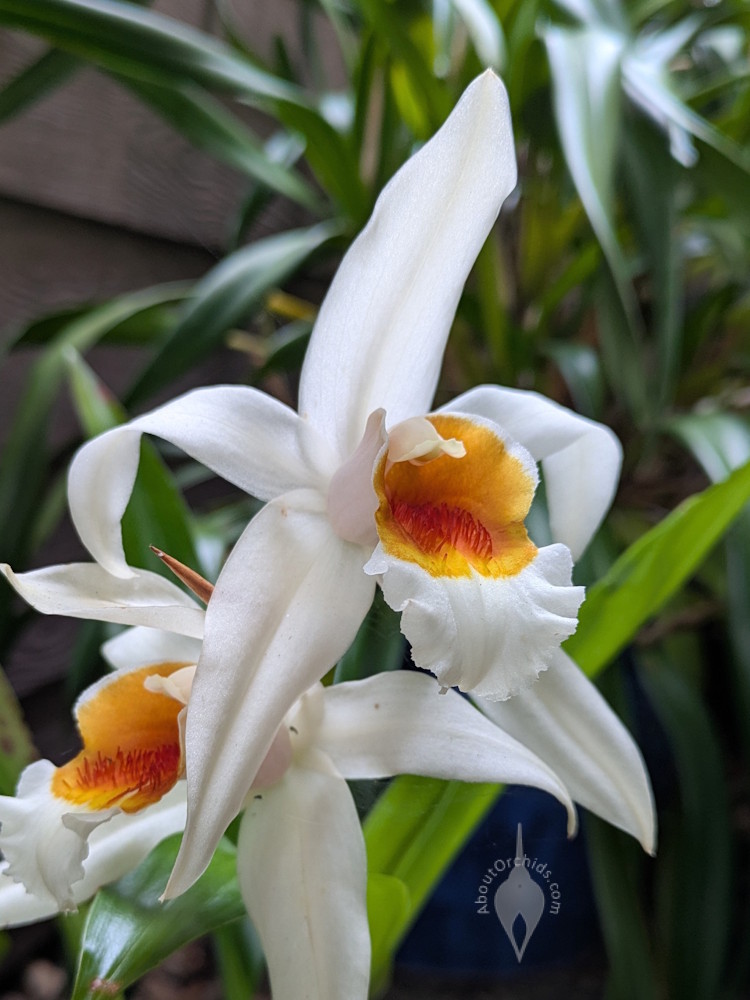
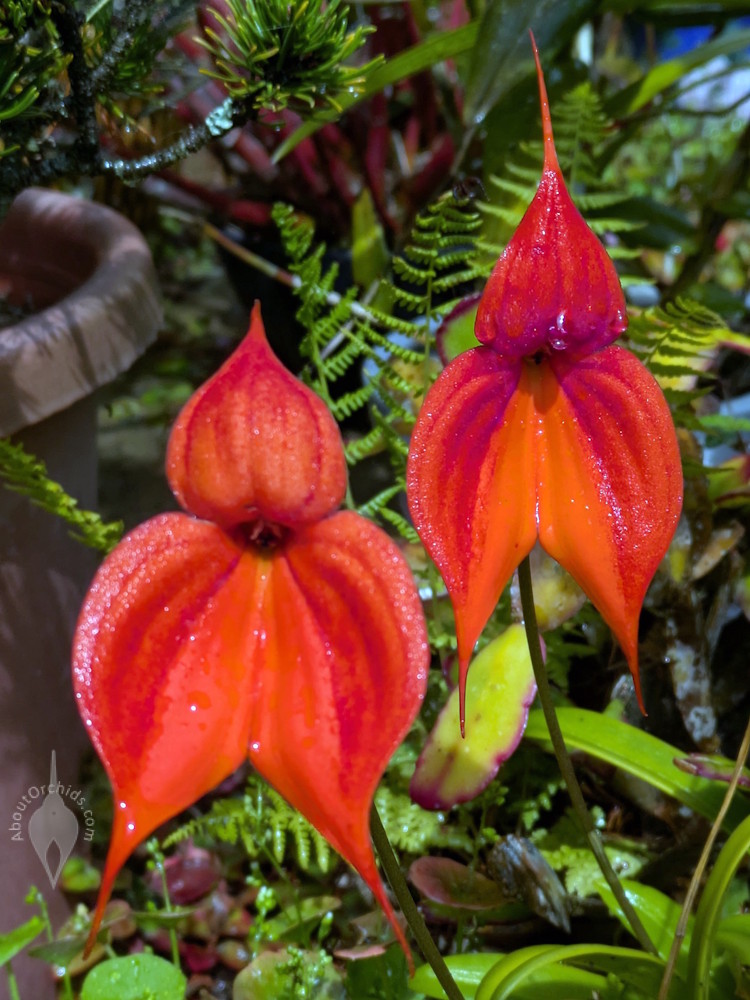
Welcome to autumn. Enjoy these recent blooms from our garden in honor of today’s equinox. These flowers may already be familiar to regular readers. I’ll include links for these orchids at the end of the post.
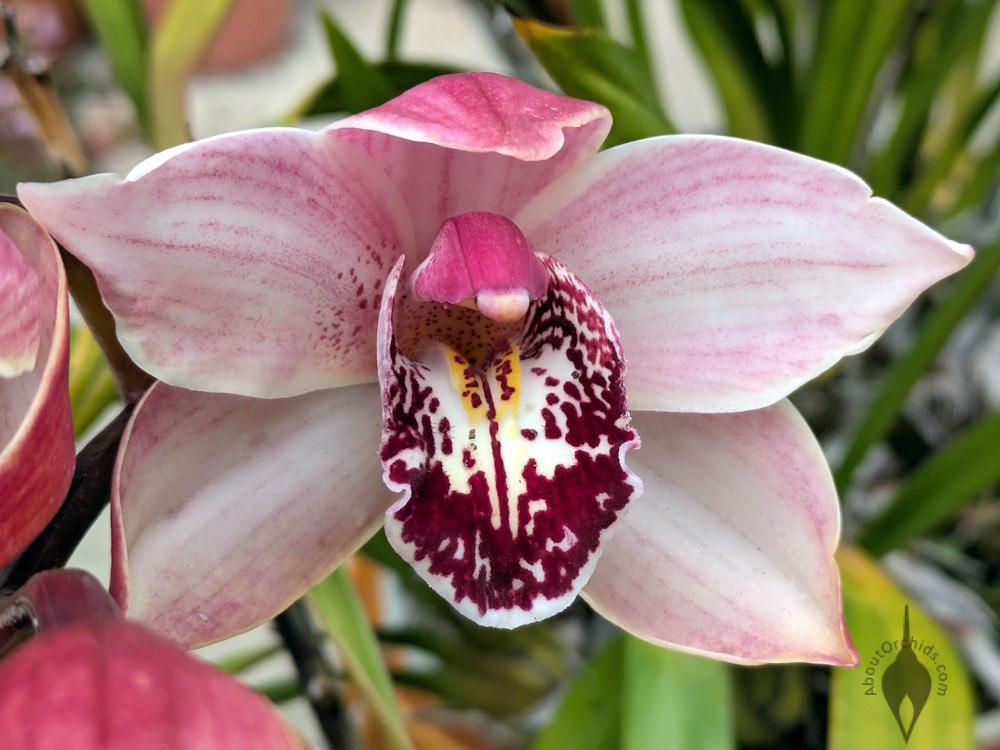
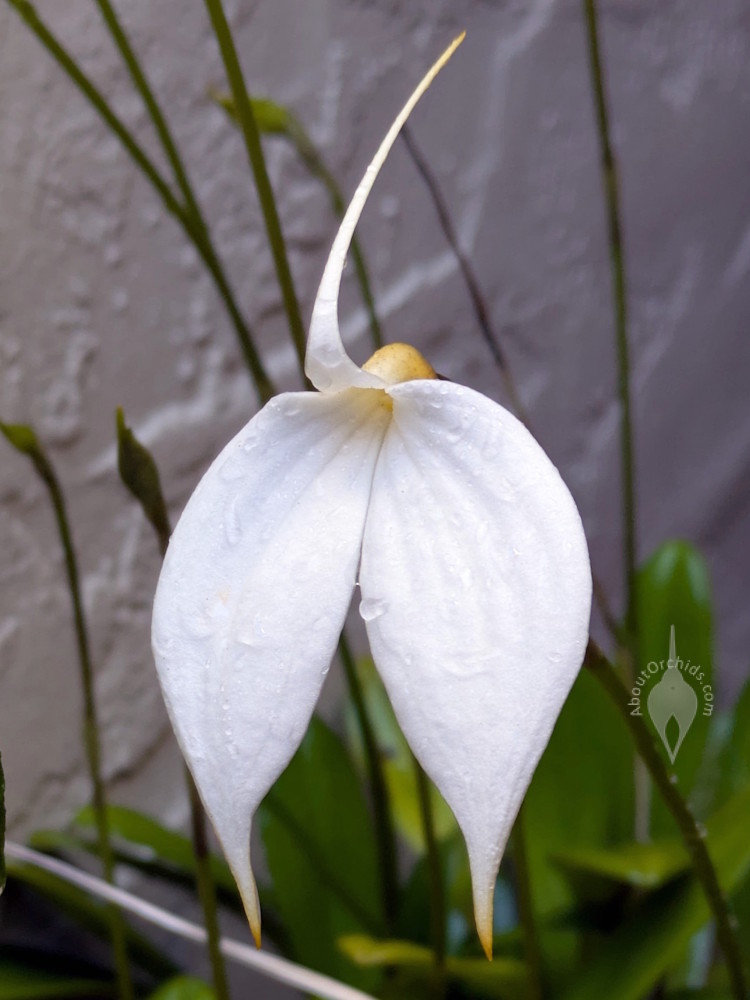
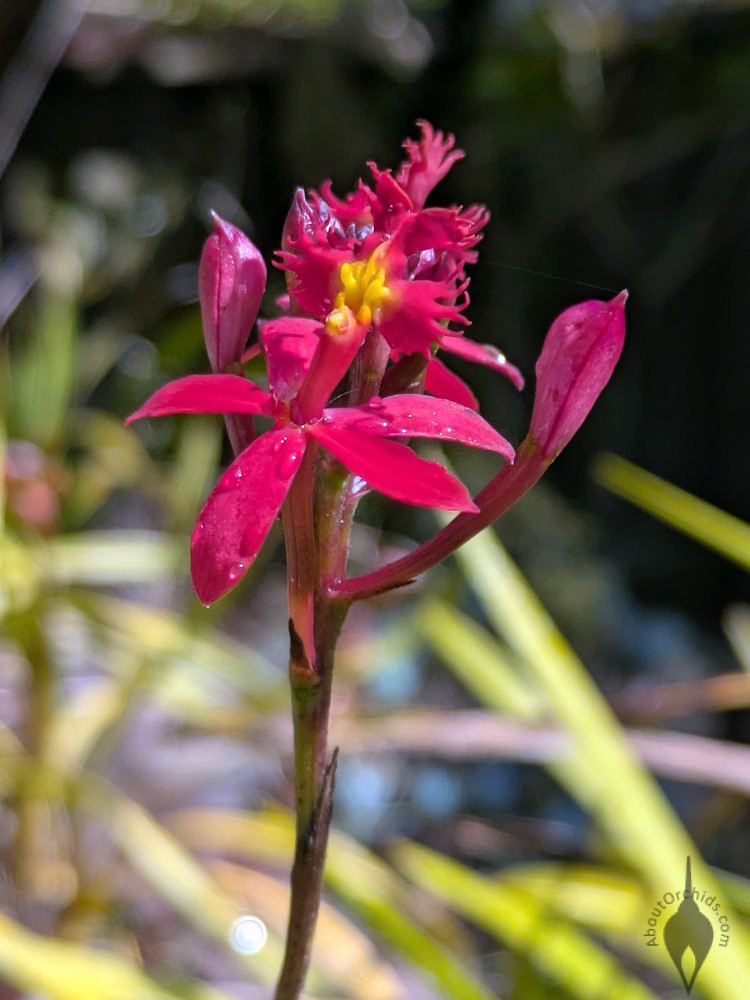
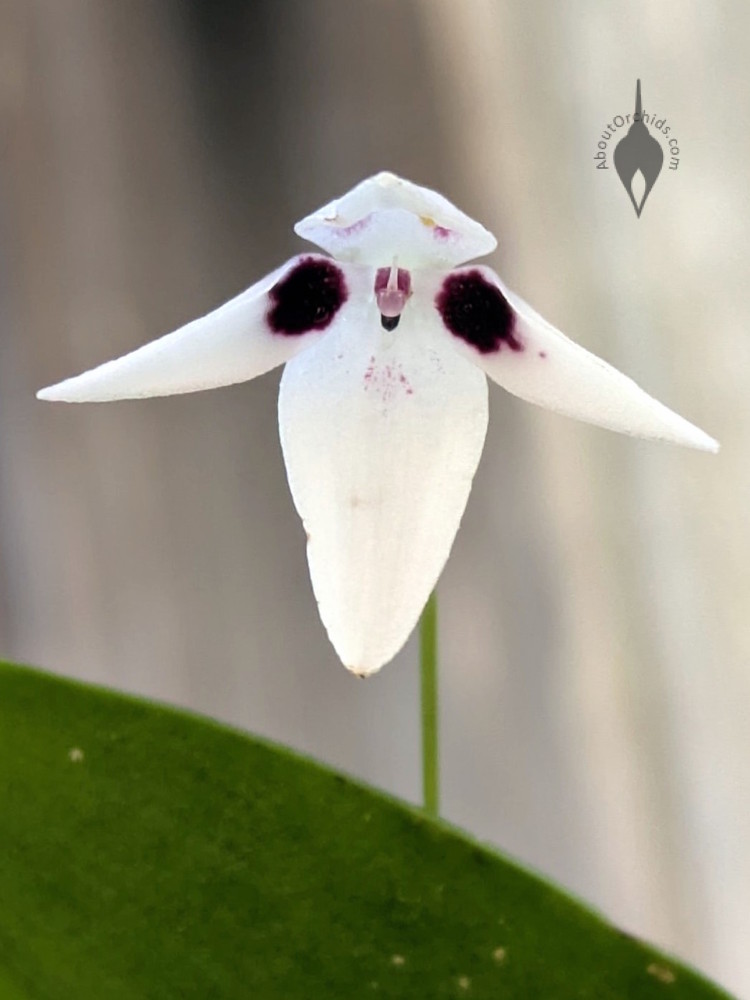
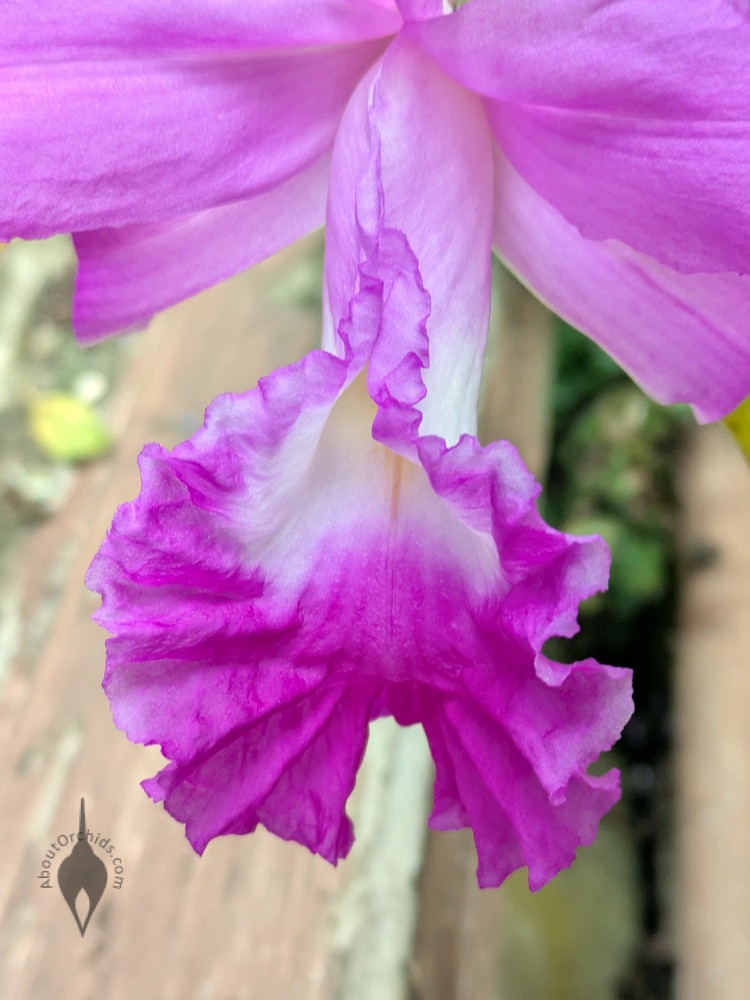
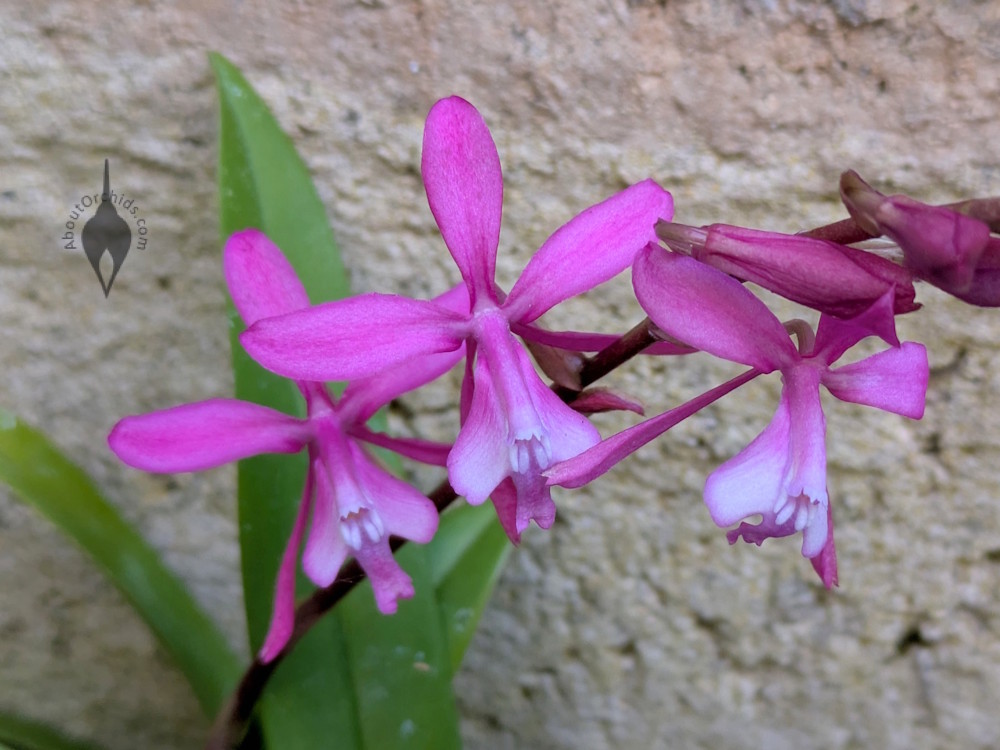
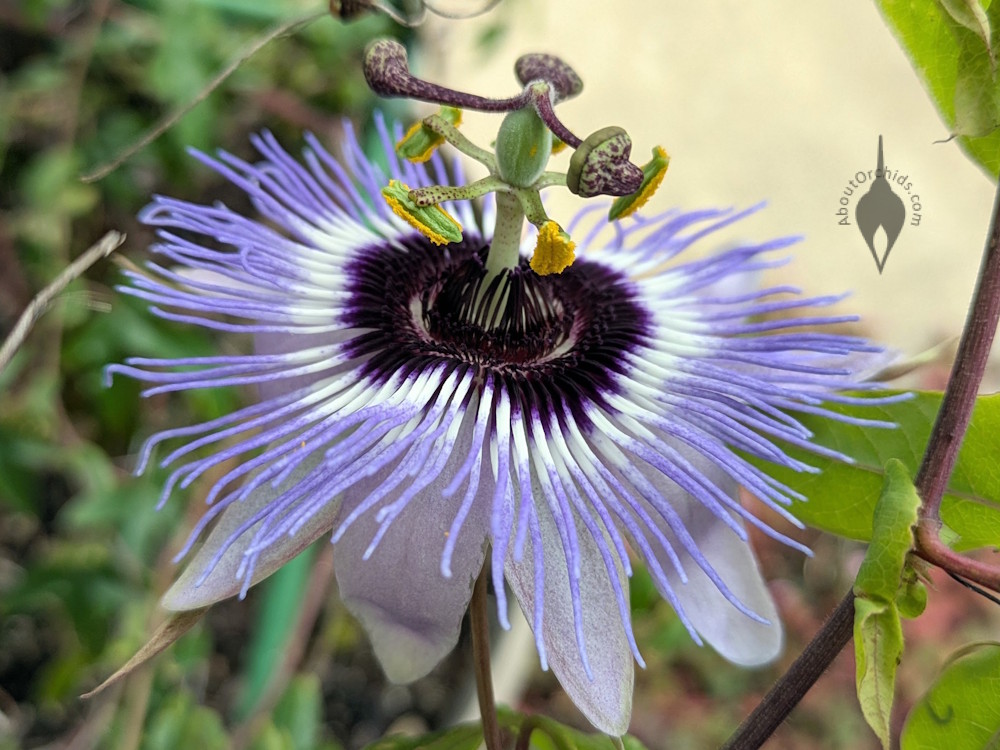
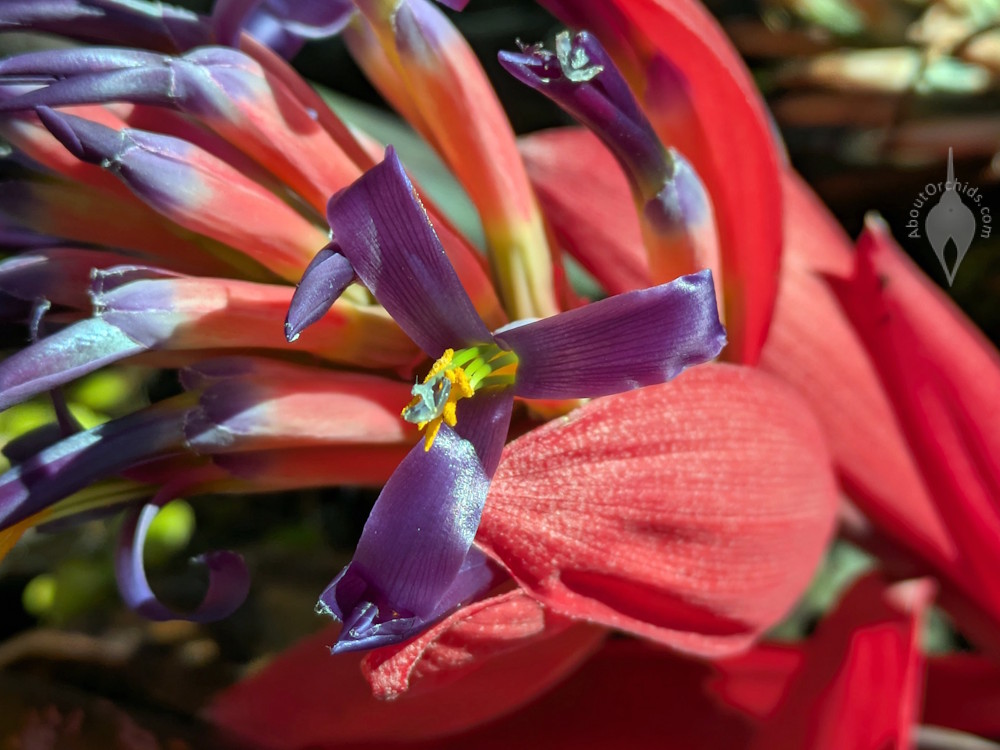
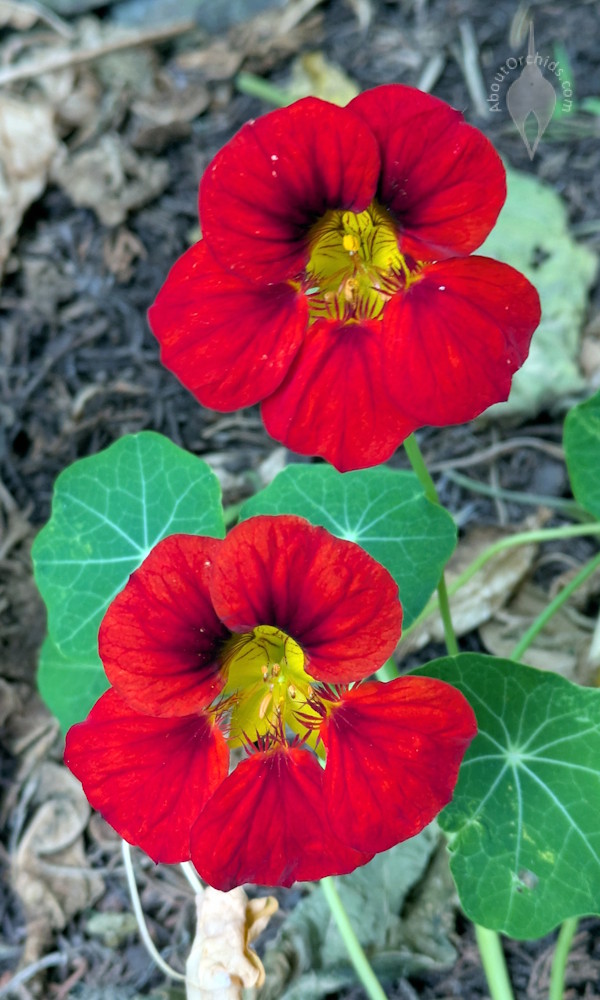
This has definitely been the least foggy summer that I remember after many decades in the SF Bay Area. Temps have been 5°-10°F (2.8°-5.6°C) warmer than usual here in Pacifica. It probably all ties in to the enormous El Niño pattern that’s already begun, and global warming in general. The extra heat may have also contributed to the extra pest problems I’ve had this year, but obviously there were lots of great blooms anyway. Of course, there are more than orchids in the garden, evidenced by the final row of pictures, with a passionflower, bromeliad, and nasturtium.
Learn more about the orchids in this post:
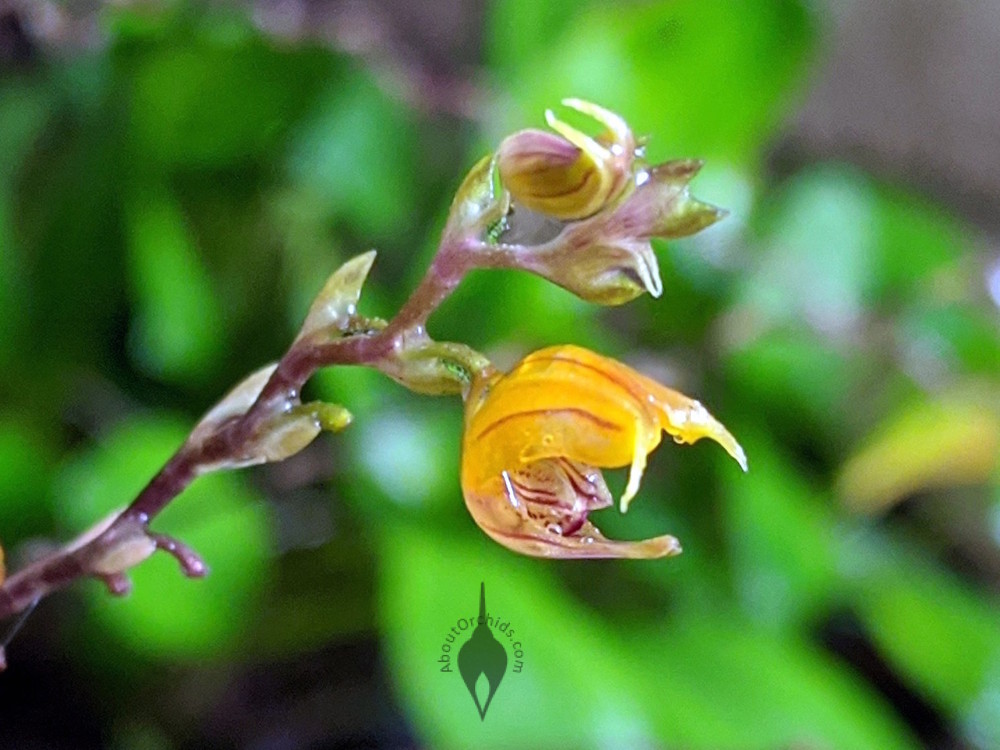
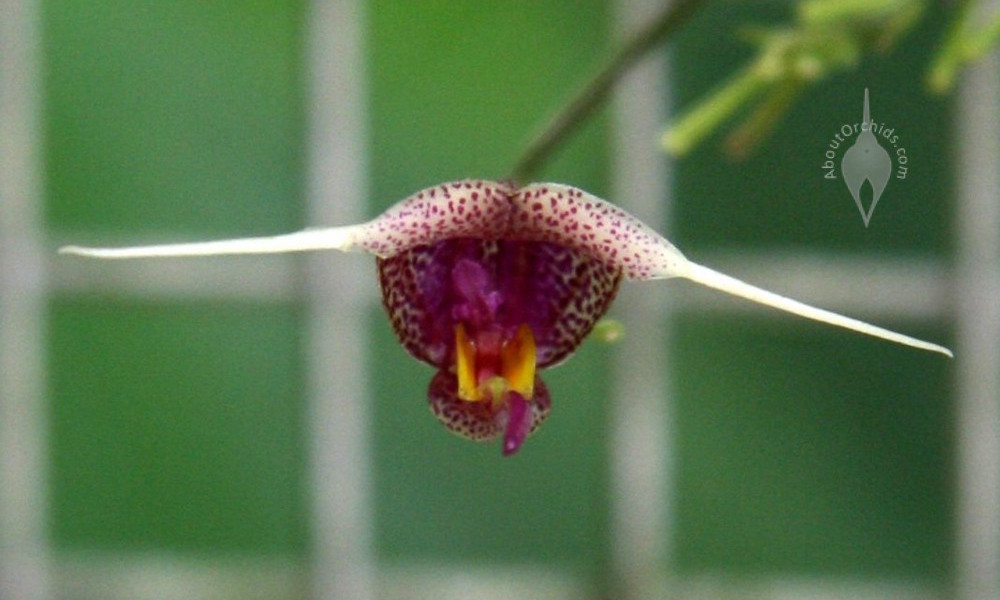
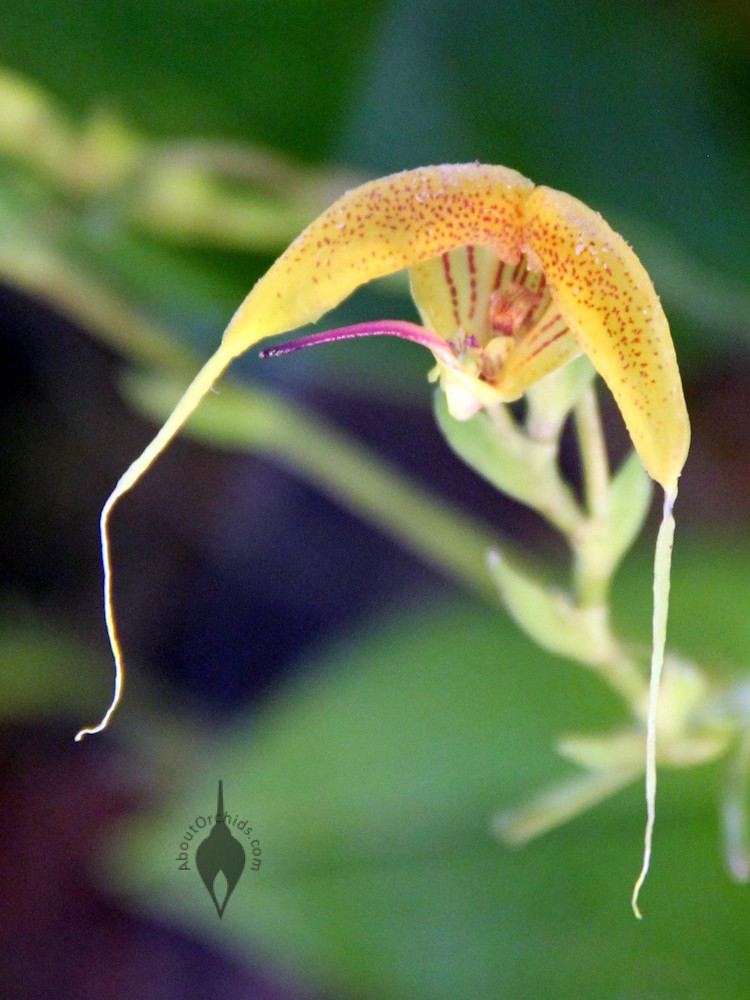
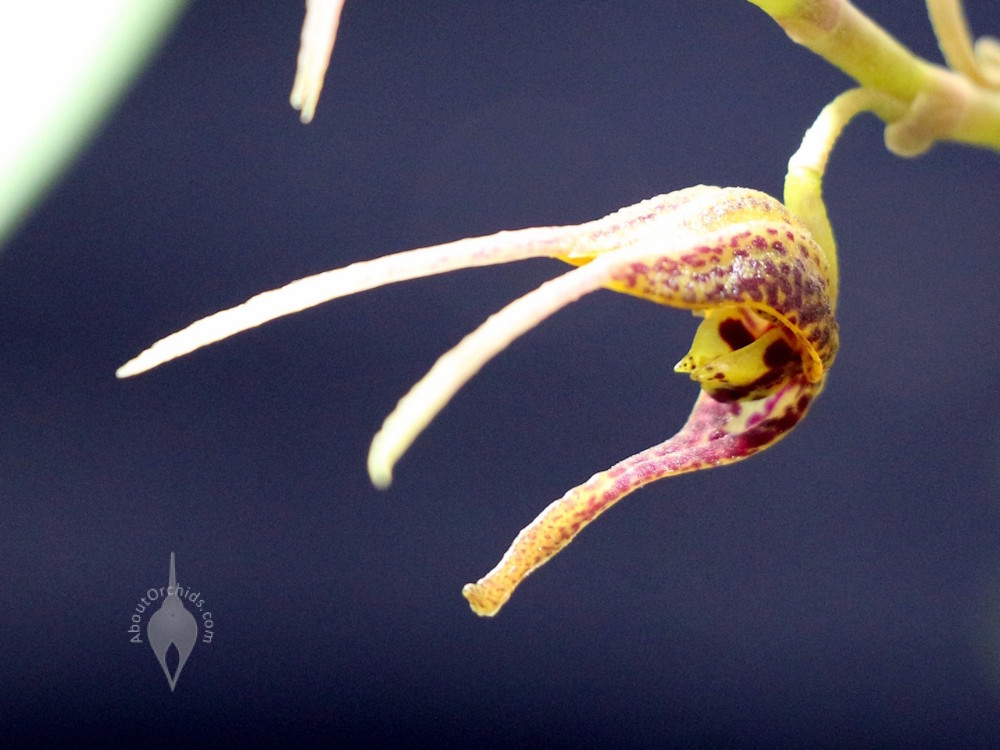
Scaphosepalums aren’t very popular orchids. Having small flowers and long names doesn’t help. That’s a shame, because they’re beautiful and fascinating. Some have blooms which look like mustaches. Some resemble birds in flight, and some look like they have fangs. They can flower sequentially on the same spike, so happy plants may continue blooming for years. The Scaphosepalum verrucosum in the first photo above has been flowering continuously for a dozen years in the back garden.
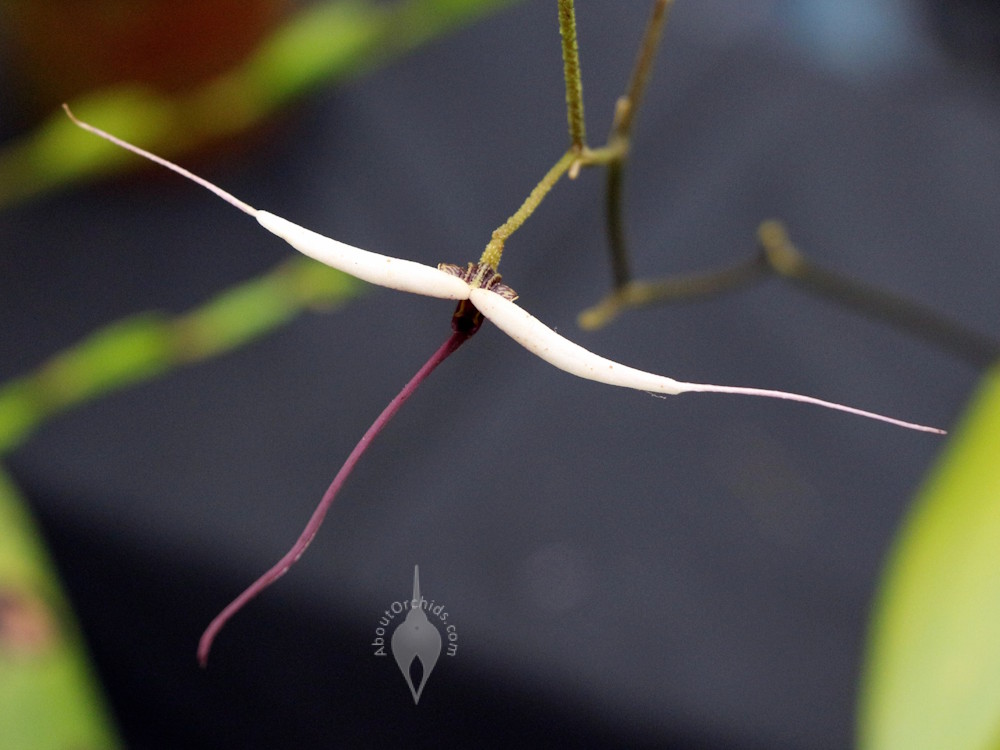
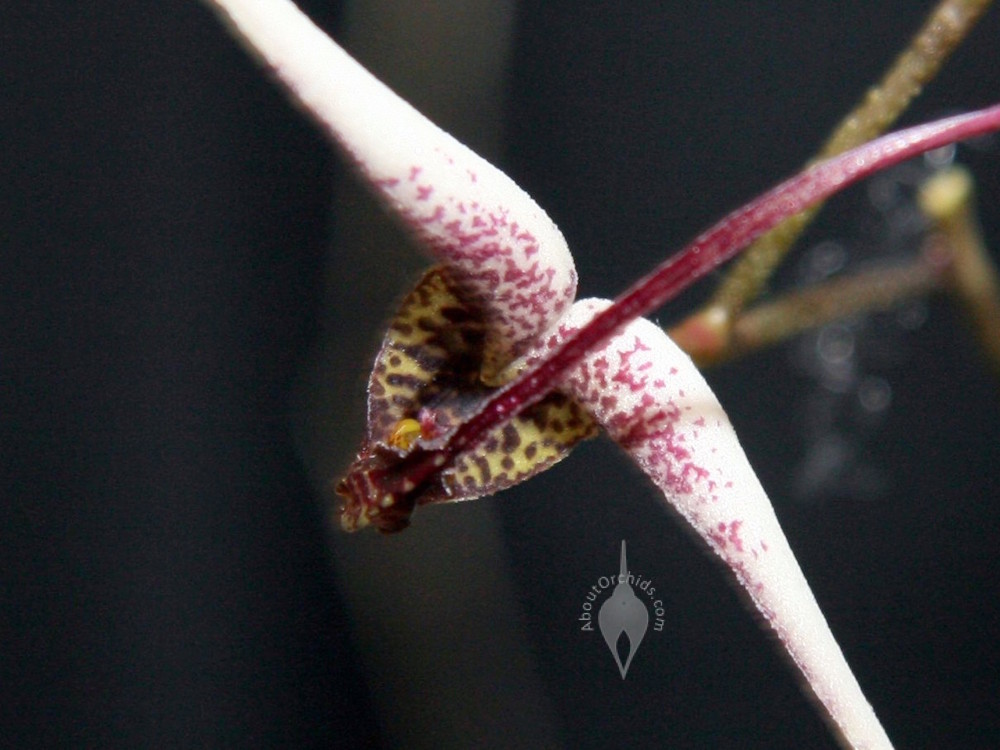
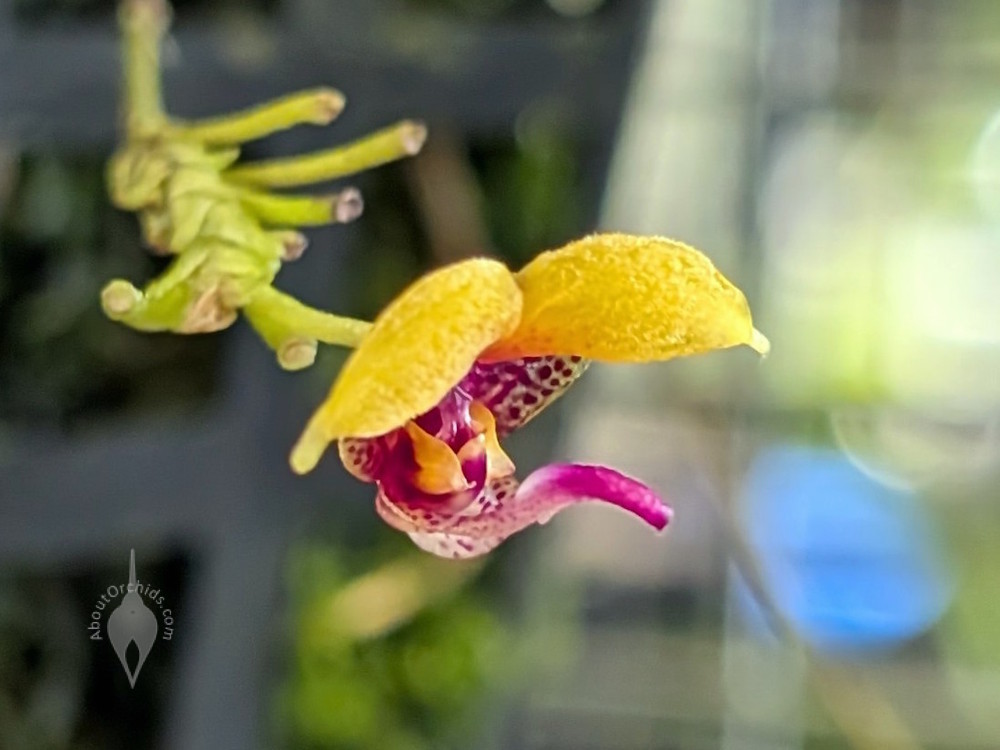
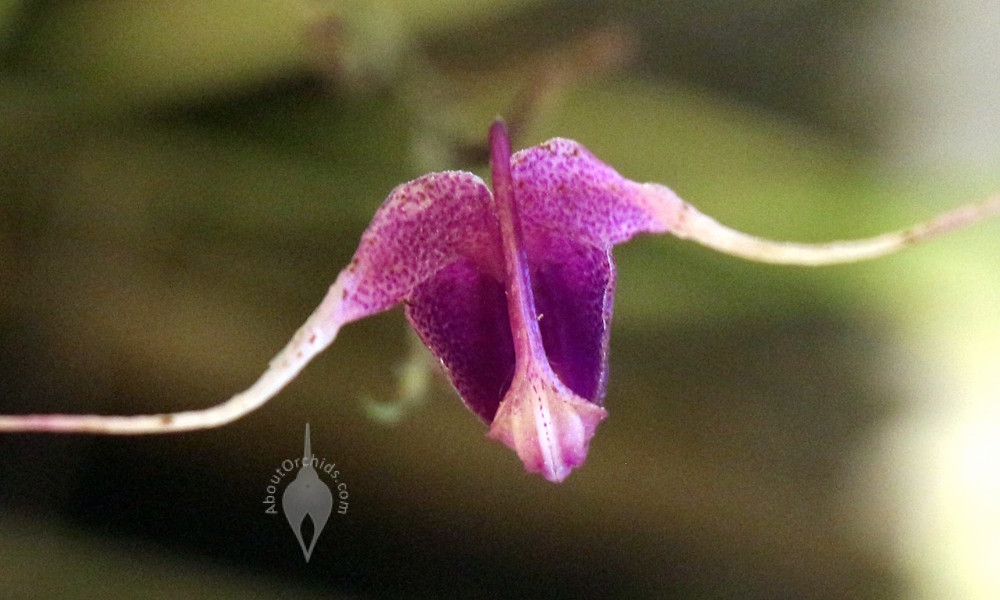
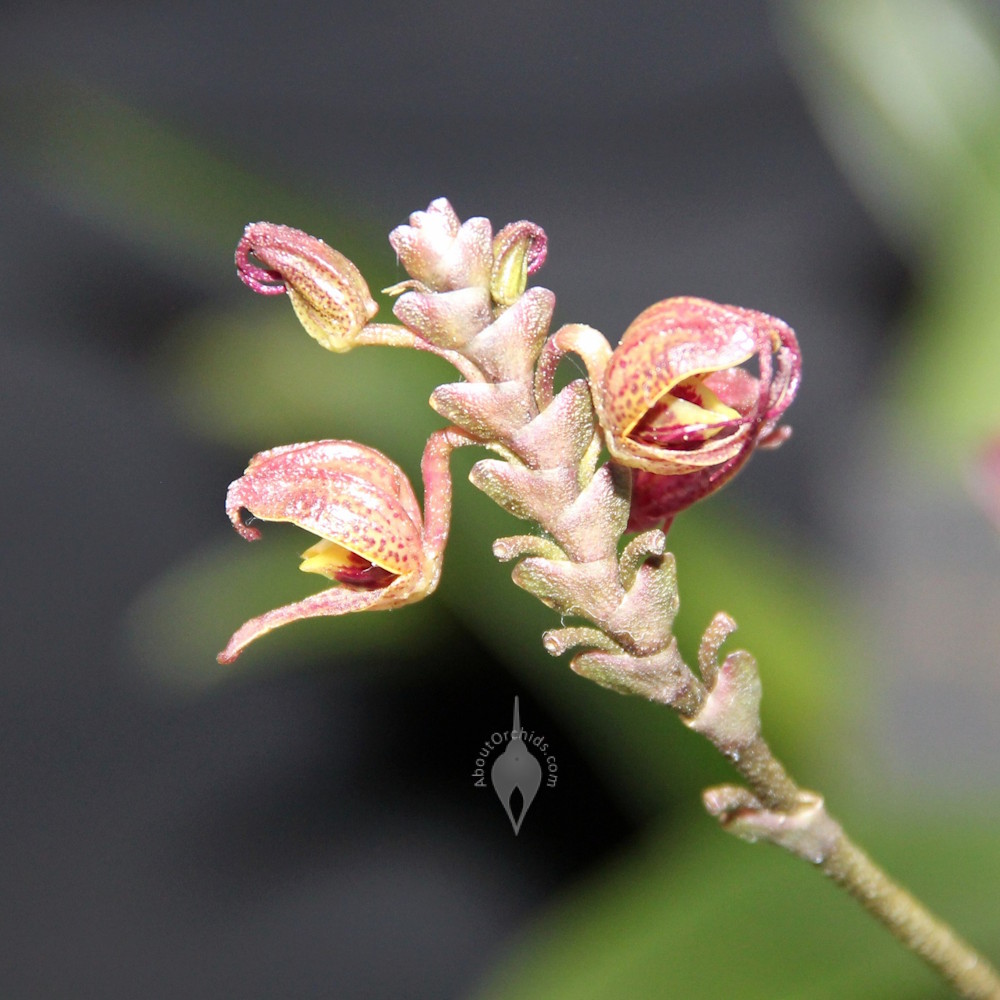
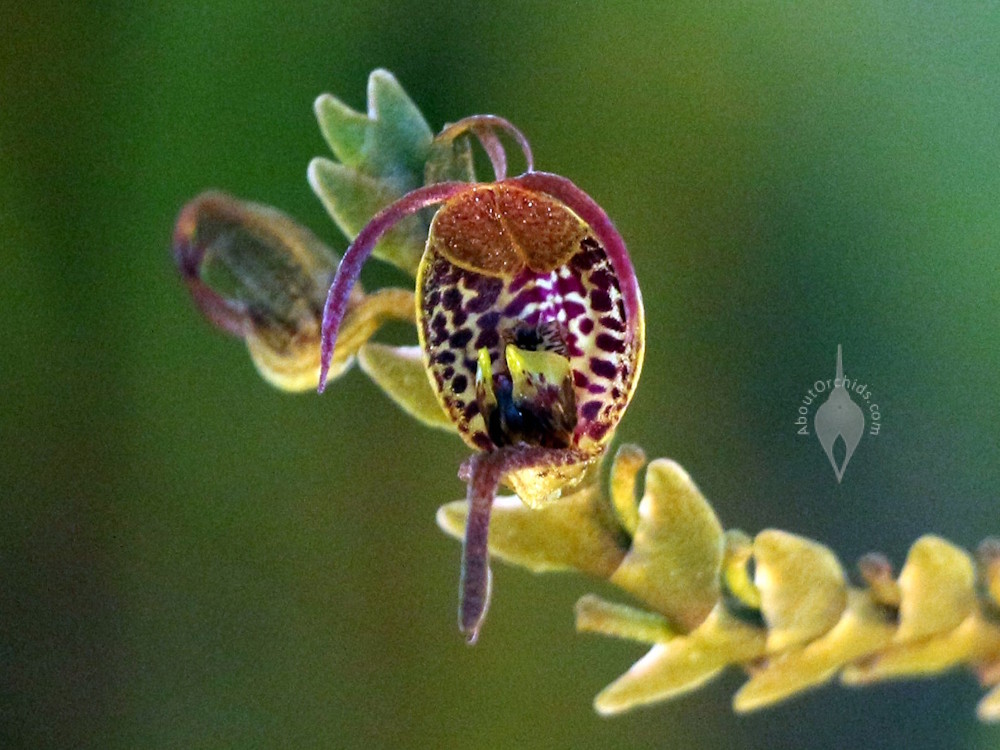
Ten species are illustrated here. There are as many as 64 species. These miniature air plants range from Mexico to Bolivia, and most grow in cool or intermediate temperatures. Like other pleurothallids, they can’t dry out. They require regular water, high humidity, and good air movement. My Scaphosepalum verrucosum can handle full morning sun, which makes its leaves turn purple, but most prefer shady conditions.
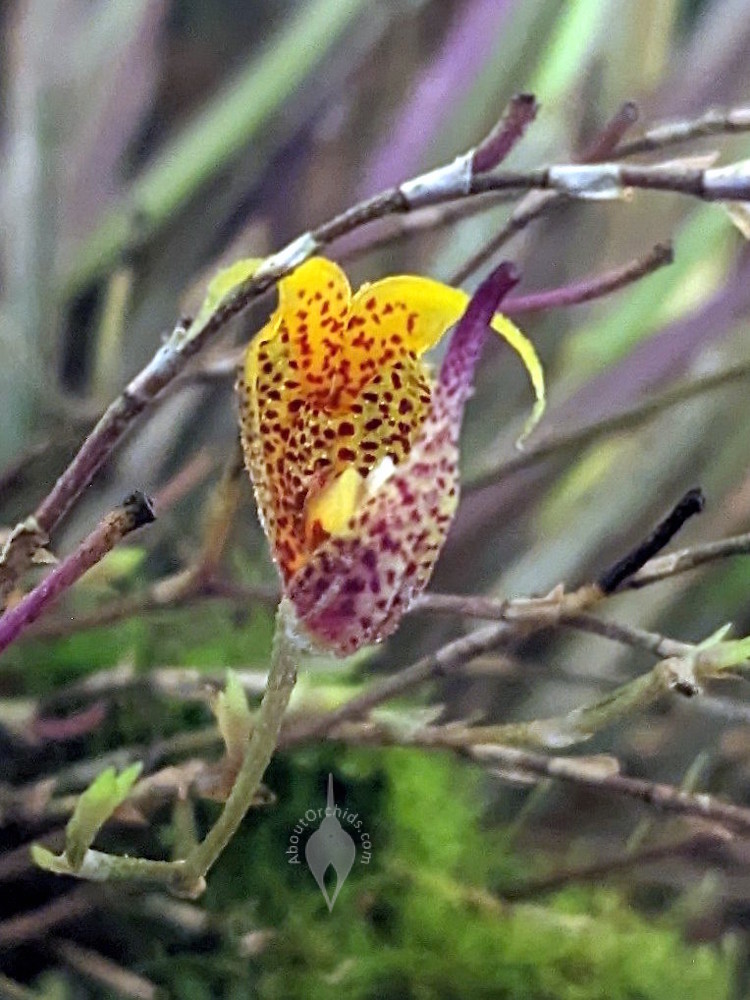
Besides Scaphosepalums, there are many other amazing pleurothallid orchids for growers who can provide high humidity, and cool or intermediate temps. They include:
Australians love orchids, and September proves it, with well over 60 shows this month. It’s busy on five other continents, too. Be sure to take advantage of any events near you.
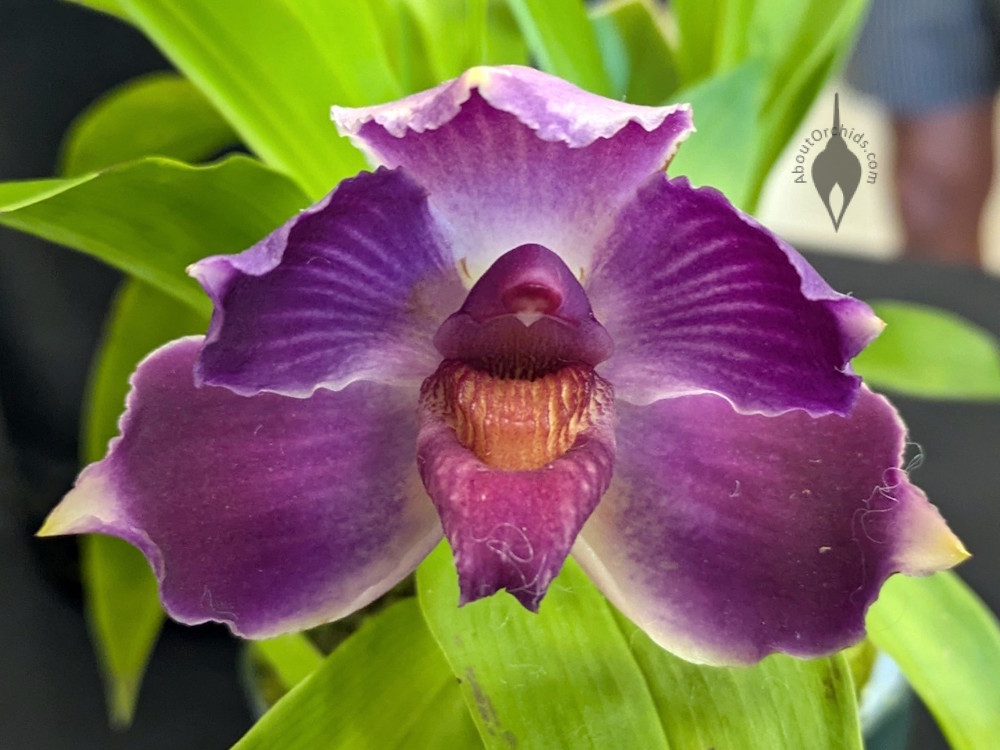
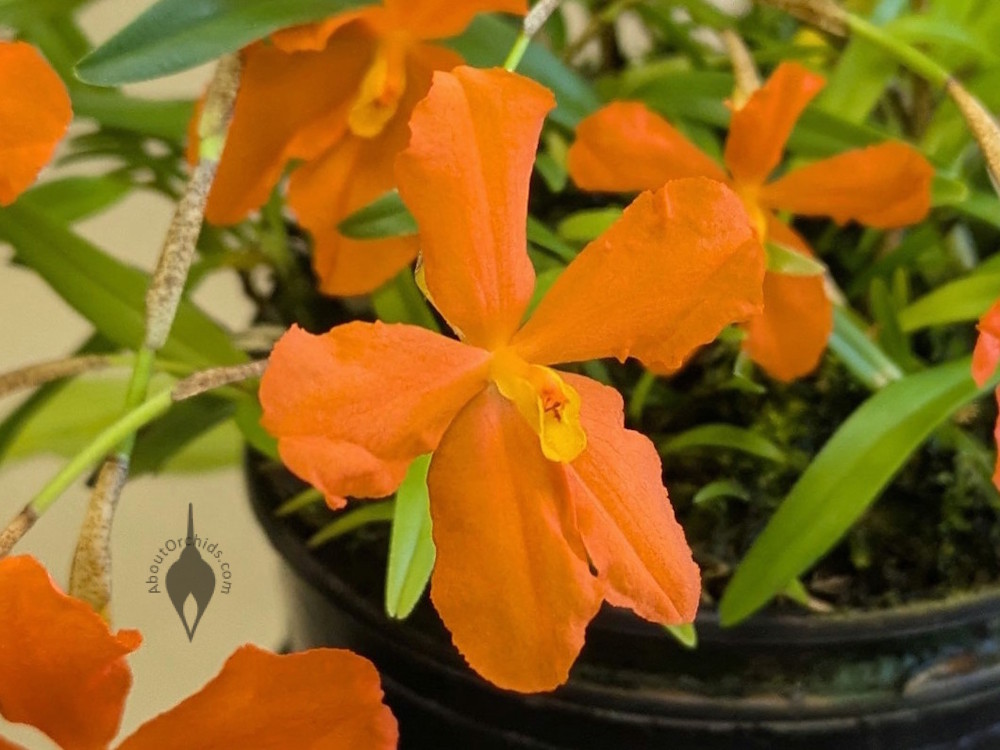
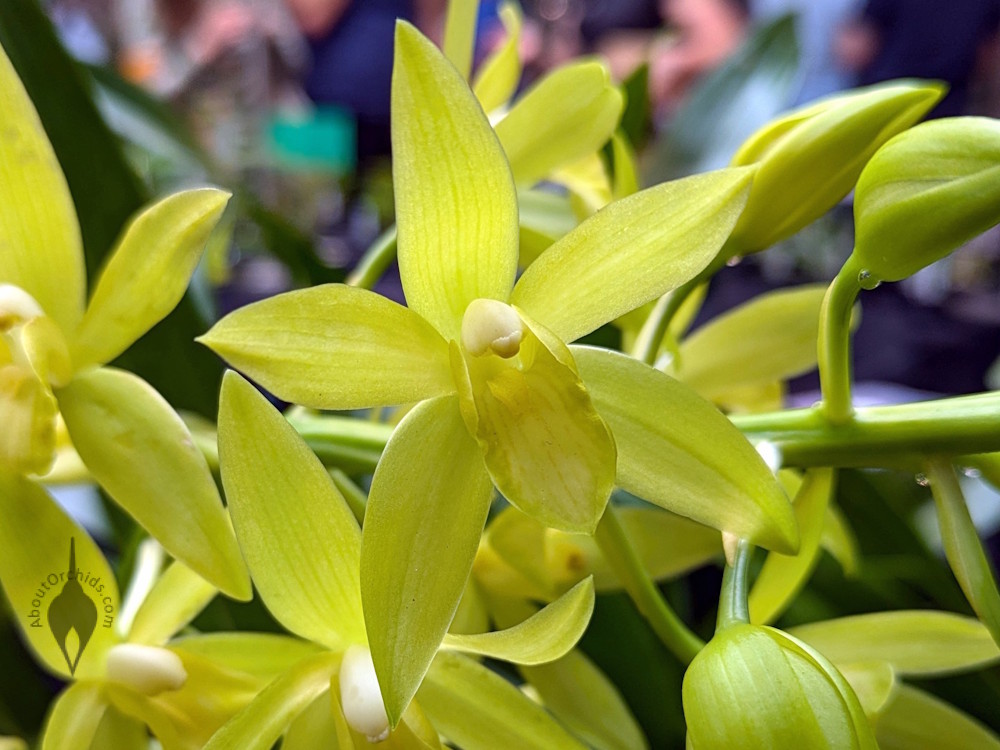
Considering that it’s the smaller of San Francisco’s two annual orchid events, Orchids in the Park rises to the occasion. Stunning flowers compete for attention and awards. The sights and scents are amazing. My first post about last month’s show highlighted uncommon or rarely seen varieties. This post has even more. If you’re in awe of beautiful orchids at the supermarket, you’ll be astonished by how much the vast orchid world has to offer. Enjoy these photos, and be sure to check out orchid events near you.
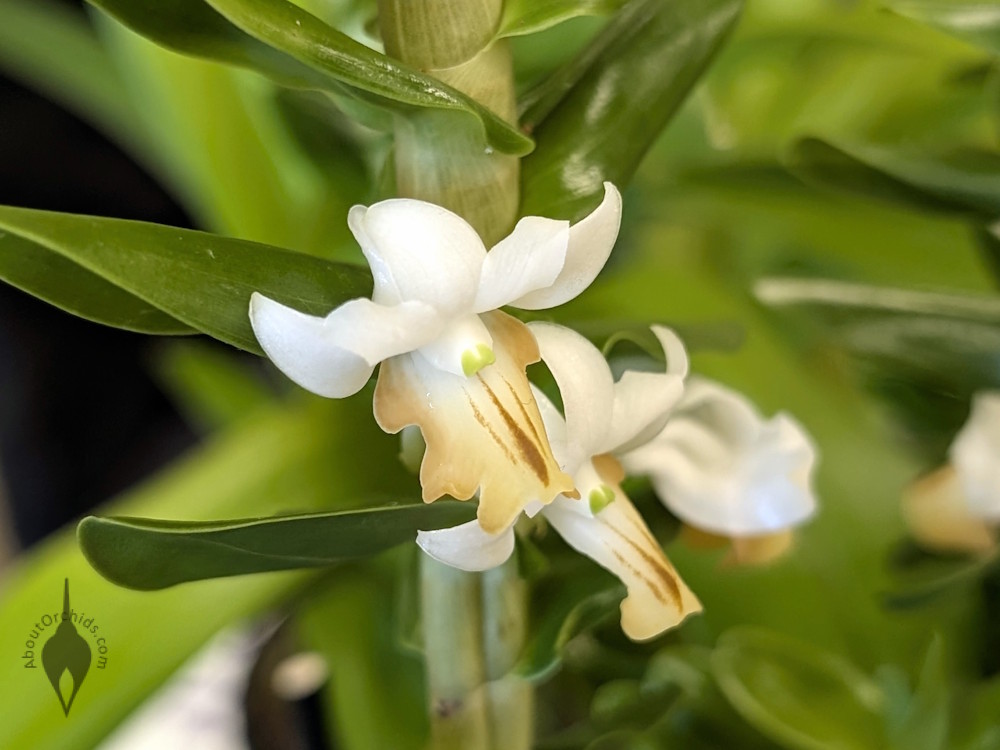
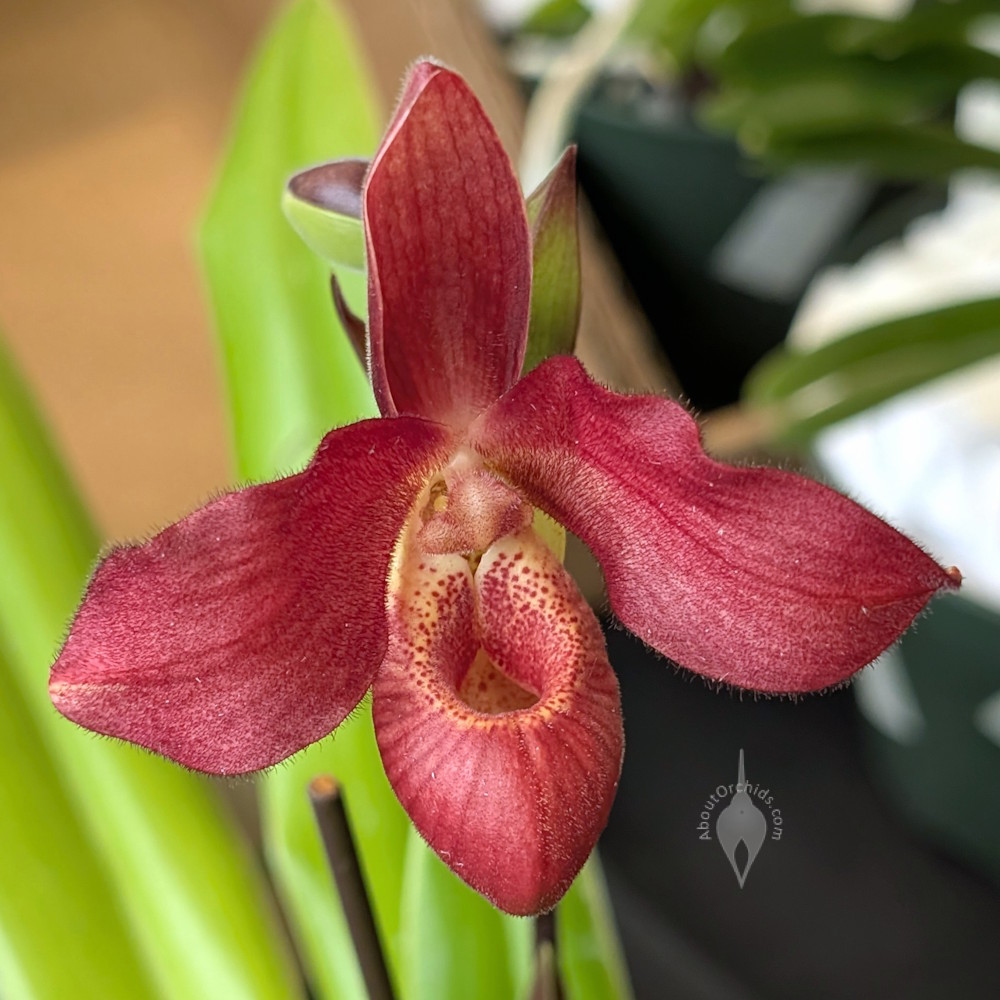
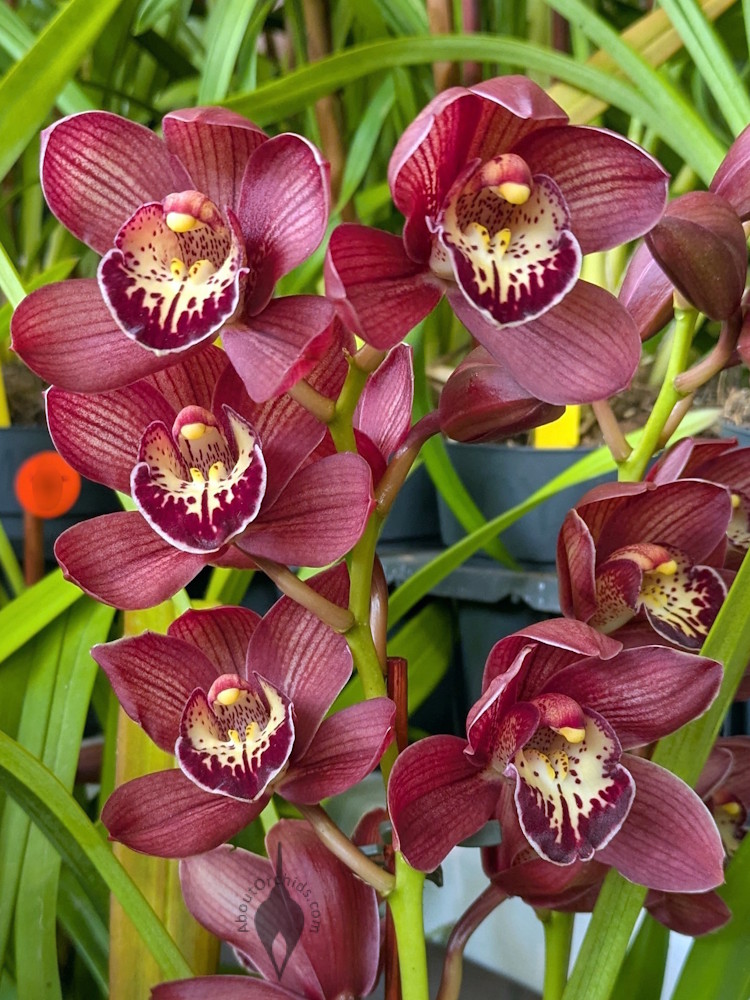
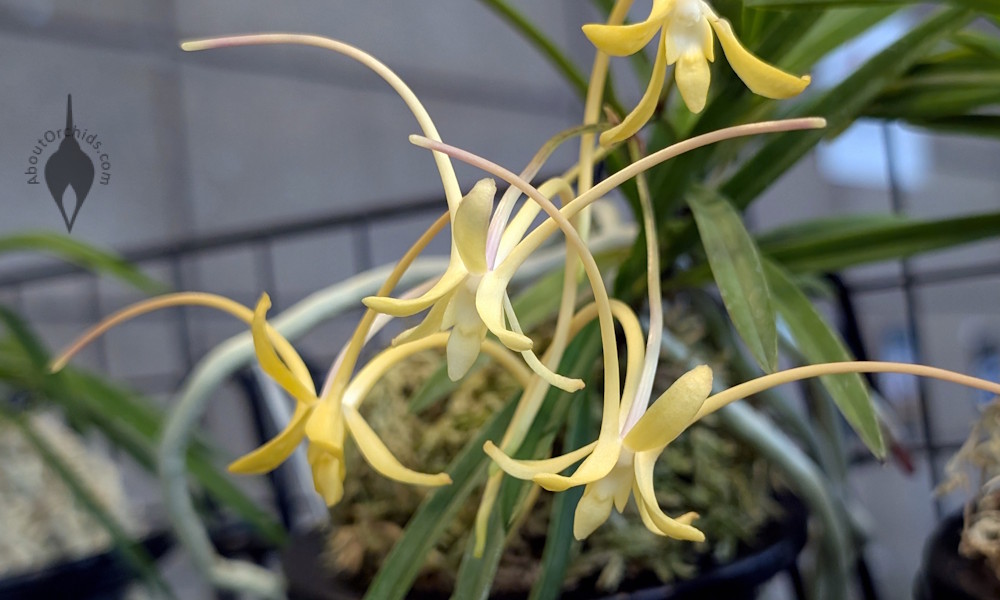
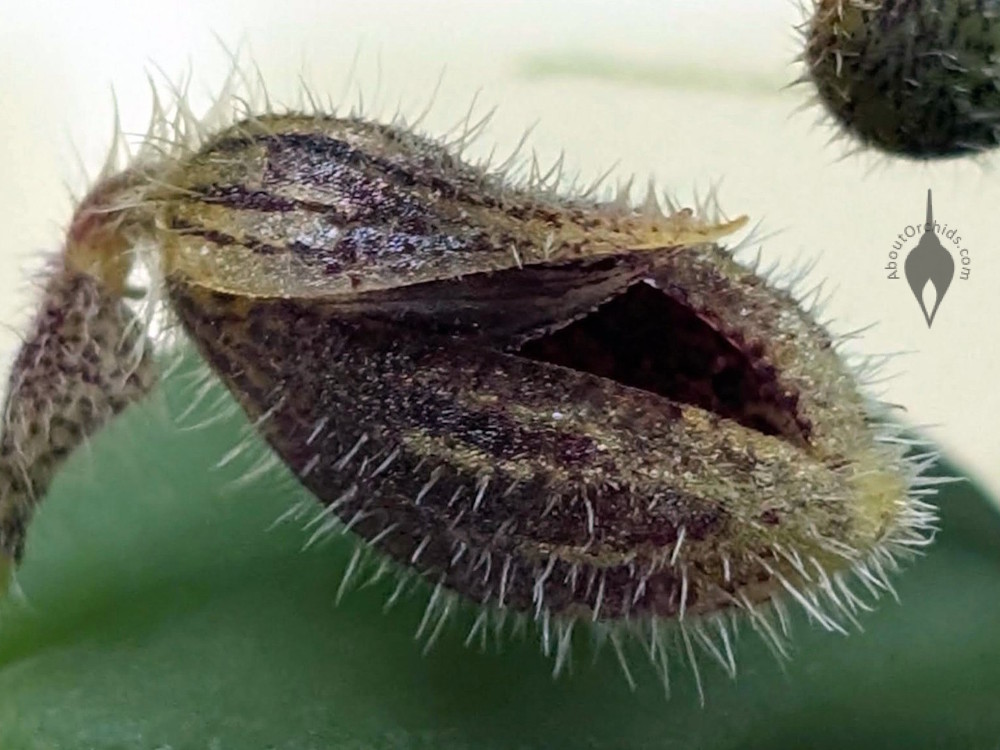
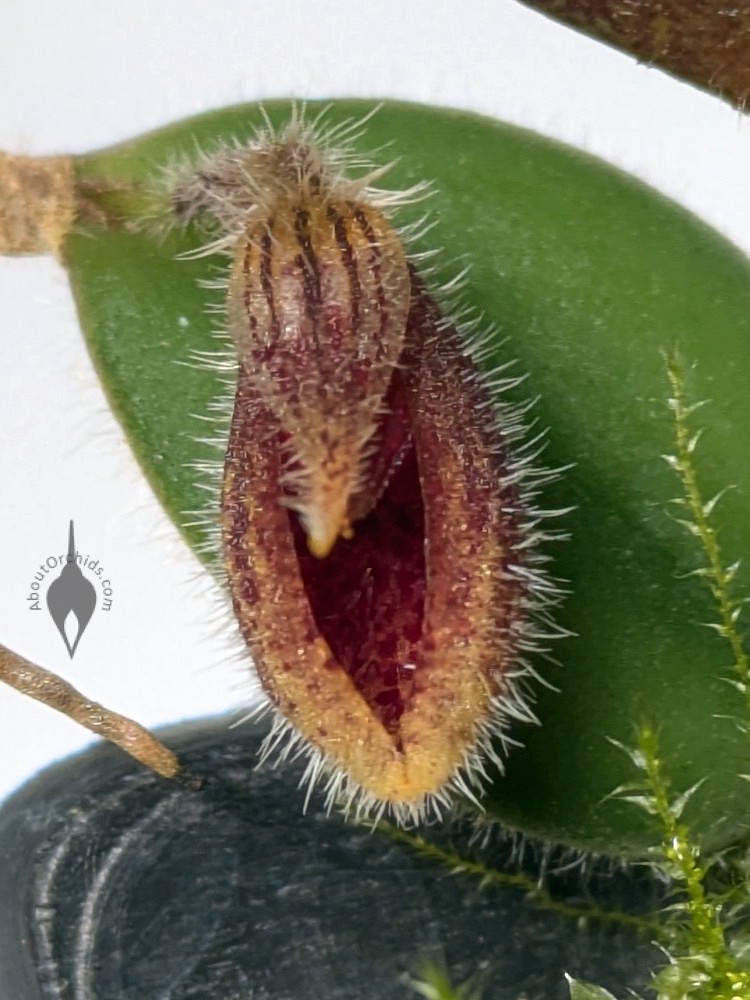
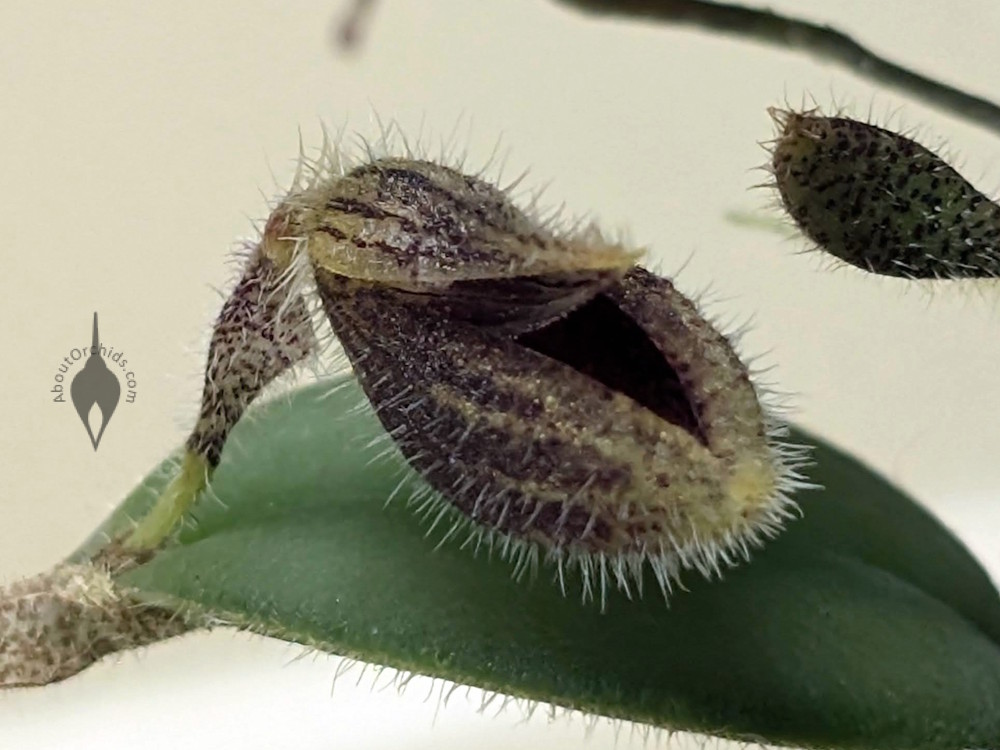
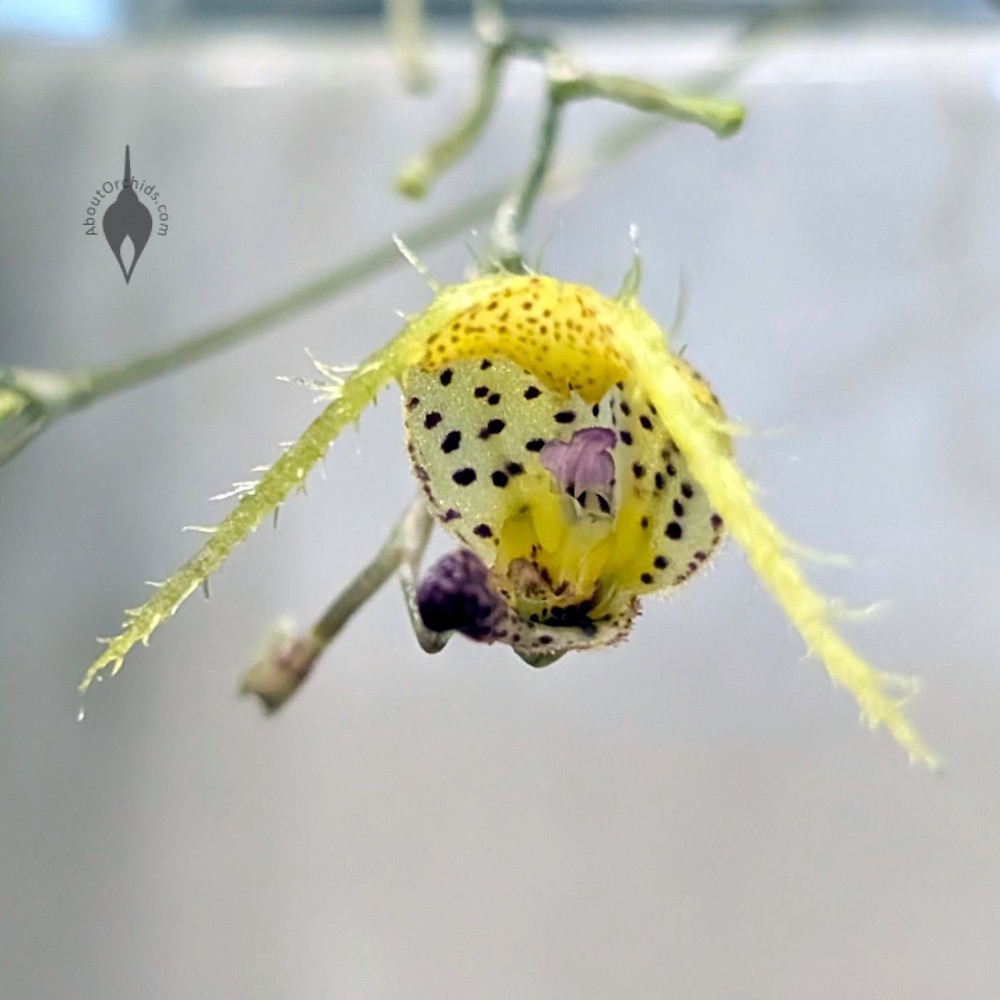
This mini Dresslerella is fuzzy all over. Its flowers, stems, and leaves are hairy. Dresslerella lasiocampa could even be described as shaggy. This orchid may be hairy because it likes morning sun, and the fuzz offers some protection from burning. Or it may be a way to collect water from fog, with dew drops condensing on the hairs.
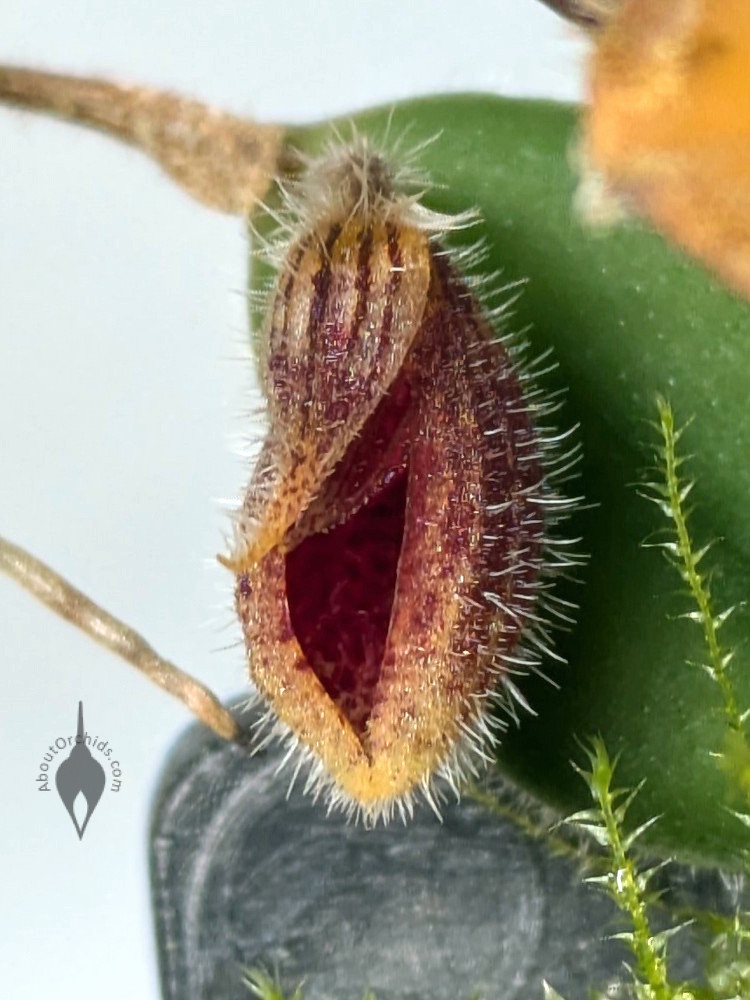
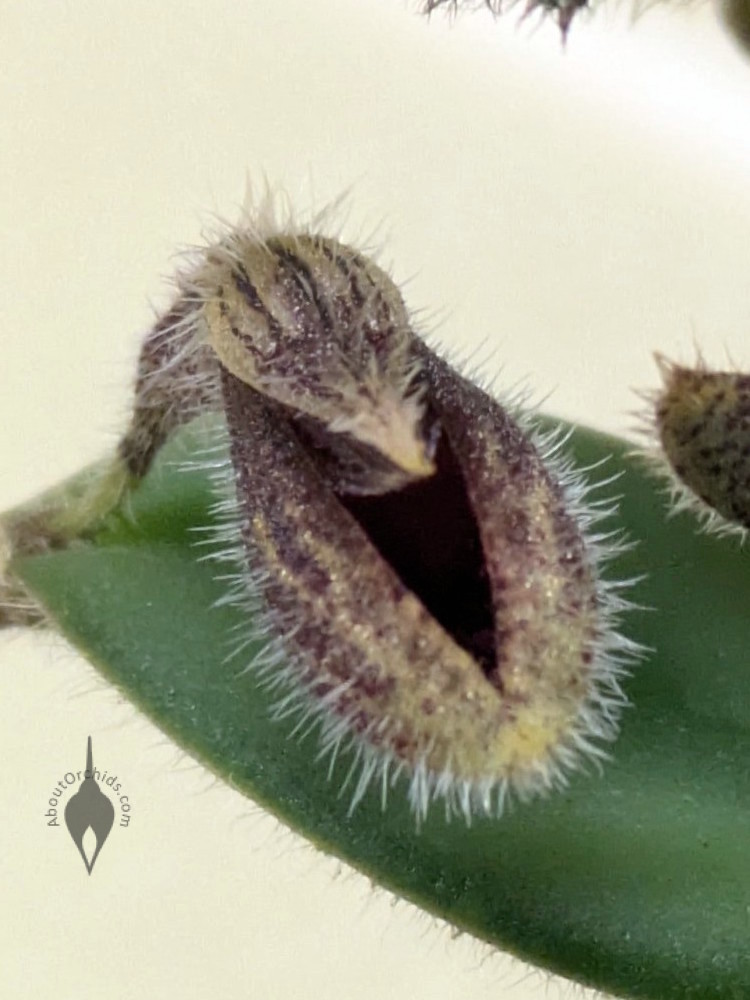
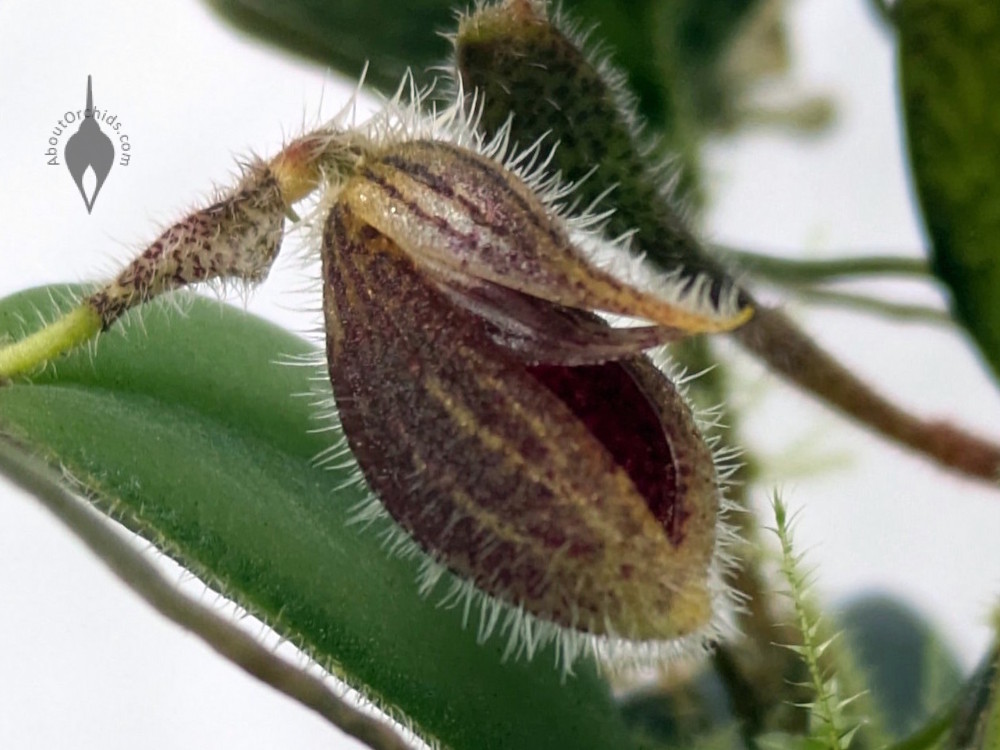
The blooms resemble hairy boats, or fuzzy baby pelicans, or maybe furry caterpillars. They may lack glamour, but they’re cute and weird, with plenty of character. The flowers have lasted over five weeks. I’ve seen photos of this species with flowers that have opened more widely than mine, but these two blossoms have only opened part of the way. This could be a natural variation, a genetic mutation, or a care issue, such as temperature, air movement, or fertilizer problems. But as long as it keeps blooming, I’ll enjoy whatever shape it takes.
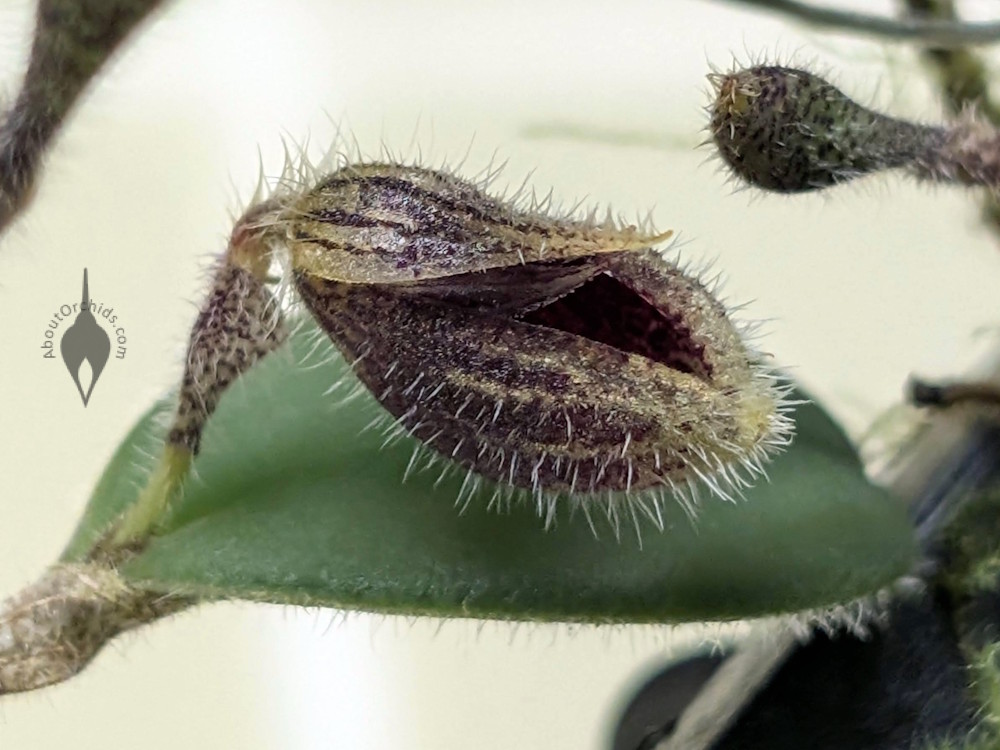
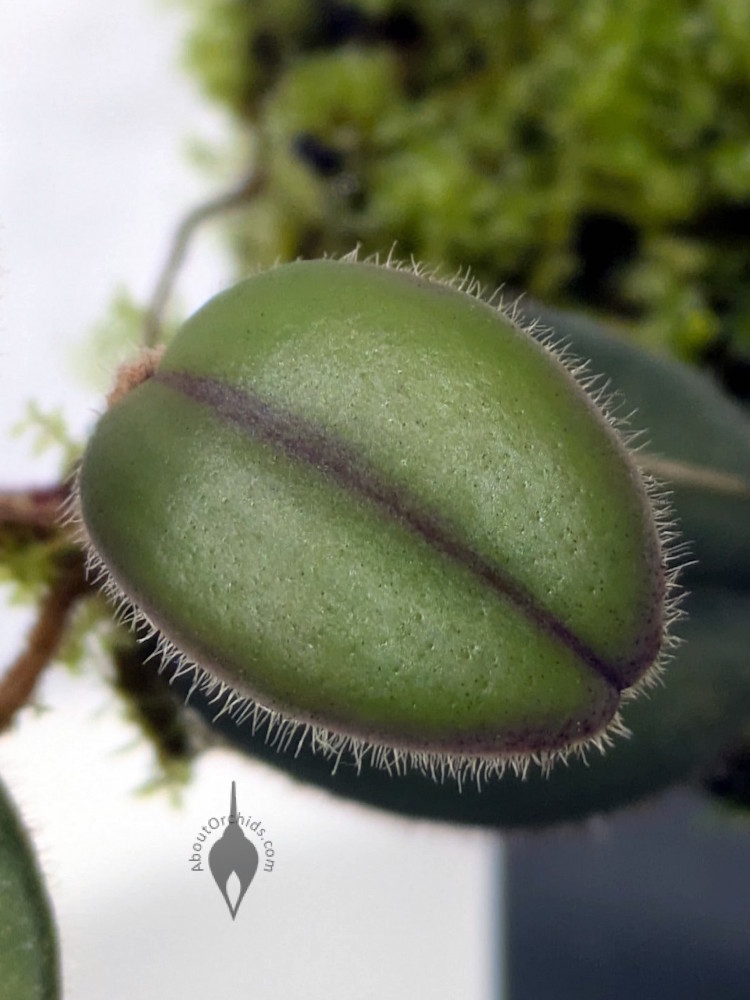
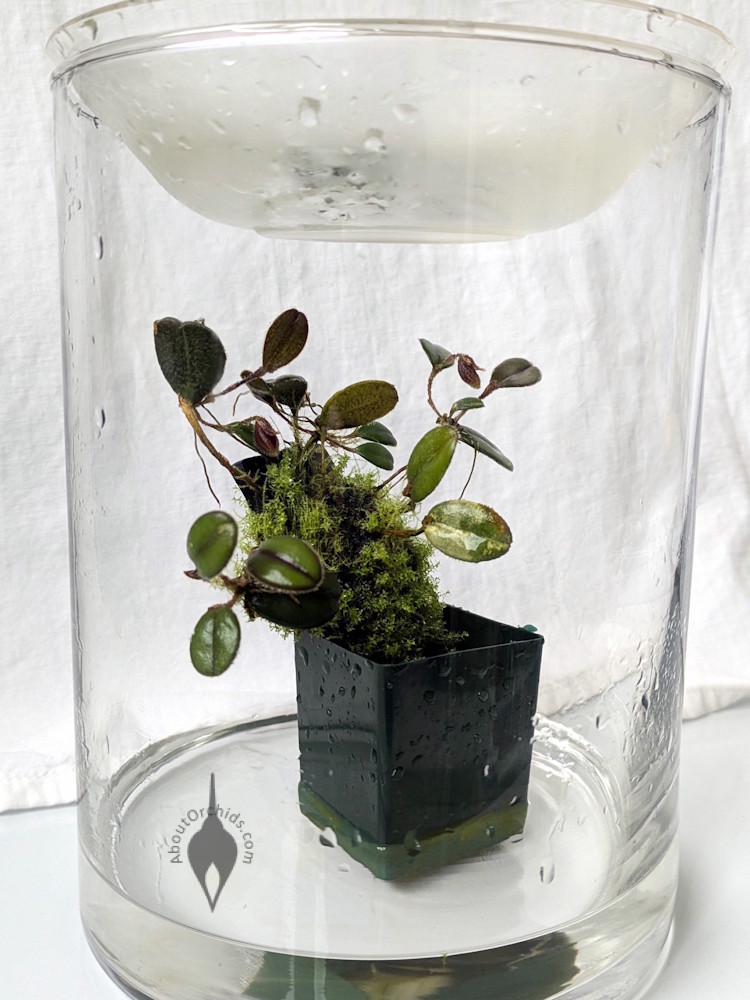
I’ve had this fascinating pleurothallid for about a year. It lives inside a glass vase with a plate on top and water in the bottom, as shown in the final photo. This provides the high humidity that this orchid needs. The little plant is mounted, and propped up in a small flower pot to keep it completely above the water. I clean the glass once a week, and change the water, but otherwise it needs minimal care with this setup. This species is native to Ecuador and Peru at elevations up to 5906 feet (1800 m.)
Orchid events are happening on six continents this month. The Southern Hemisphere is especially busy, with shows spanning Australia and elsewhere. Take advantage of these opportunities to enjoy incredible flowers, talk with experts, take photos, and buy plants for your collection.

